
Zero Waste on a Budget in Canada: A Realistic Guide
There's a common belief that going zero waste means spending a fortune on mason jars, bamboo everything, and a $60 stainless steel lunch kit you'll use twice. It's the main reason people put it off. But zero waste on a budget in Canada is not only possible, it's often the cheaper path once you look past the sticker prices. The trick is knowing which swaps pay for themselves, which ones cost more, and where to start when you don't want to drop $200 in one shopping trip.
This is a realistic guide, written for anyone in Canada trying to cut waste without wrecking their budget. No pressure to overhaul your whole house at once. Just a clear look at what saves money, what doesn't, and the handful of swaps worth making first.
Can You Really Go Zero Waste on a Budget in Canada?
Yes, and the reason is simple: most zero-waste swaps replace something you already buy on repeat. When you stop rebuying paper towels, plastic wrap, and bottled shampoo every few weeks, the reusable version usually costs less over a year, sometimes far less. The higher upfront price is really just prepaying for months of a product you'd have bought anyway.
The confusion comes from comparing the wrong numbers. A $4 roll of plastic wrap looks cheaper than an $18 set of beeswax wraps, until you count how many rolls you burn through in a year. Once you compare cost per year instead of cost per item, the math flips. Here's the pattern that holds for most swaps:
- Consumables you rebuy constantly (paper towels, plastic wrap, sponges) are where reusables save the most.
- Personal care bars (shampoo, soap, dish soap) cost about the same or less than the bottled version, and they last longer than they look.
- Durable swaps (a bamboo toothbrush, cloth produce bags) cost roughly the same as the disposable version, so you break even and cut the plastic for free.
You don't need every product. You need the few that quietly drain your budget in single-use form.
The Zero-Waste Swaps That Save the Most Money
The biggest savings come from replacing the things you throw away and rebuy most often. Below is a realistic year-one comparison for a small Canadian household, using typical grocery-store prices in Canadian dollars. Your numbers will vary, but the direction won't.
| Everyday item | Disposable cost / year | Reusable swap | Reusable cost / year | You save |
|---|---|---|---|---|
| Paper towels | ~$80 (1 roll/week) | Cloth rags / cut-up old towels | ~$0 | ~$80 |
| Plastic wrap | ~$20 (4-5 rolls) | Beeswax wraps (reused ~1 year) | ~$18 first year, $0 after | ~$2, then ~$20/yr |
| Bottled shampoo | ~$60 (6-8 bottles) | Shampoo bar (lasts 2-3 bottles each) | ~$36 (3 bars) | ~$24 |
| Liquid dish soap | ~$24 (6 bottles) | Dish soap bar (2 bars/year) | ~$18 | ~$6 |
| Disposable sponges | ~$12 (monthly) | Compostable cellulose sponge | ~$8 | ~$4 |
Add those up and a handful of swaps saves a small household roughly $100 to $140 in the first year, with bigger savings after that once one-time purchases like beeswax wraps are already paid for. Paper towels alone are the single fastest win, because a bag of cut-up old T-shirts or a few cloth rags costs nothing and replaces a product you'd otherwise buy every week.
The point isn't to hit a perfect zero. It's that the swaps saving you the most money are usually the easiest ones to start with.
Where Zero Waste Costs More (and How to Handle It)
Being honest matters here, because not every swap saves money, and pretending otherwise is how people feel burned. A stainless steel water bottle, a good set of glass storage containers, or a safety razor all cost more upfront than their disposable counterparts and take longer to pay off. Some, like fancy compost bins or specialty cleaning gadgets, may never really save you anything.
Here's how to handle the swaps that cost more:
- Wait until something breaks. Don't toss a working plastic container to buy a glass one. Replace things as they wear out, so you're not paying for duplicates.
- Buy the durable version once. A safety razor costs more than a pack of disposables but lasts years, so it pays off eventually. Just know it's a slow return, not an instant saving.
- Skip the gadgets. Most "zero-waste starter kits" are padded with items you won't use. Buy the specific swaps you'll actually reach for daily.
- Use what you own first. The greenest, cheapest option is almost always the thing already in your cupboard. Zero waste on a budget starts with not buying anything new until you need to.
The rule of thumb: prioritize swaps that replace a frequent purchase, and delay the ones that are mostly a one-time upgrade.
The Affordable Swaps We Make in Canada
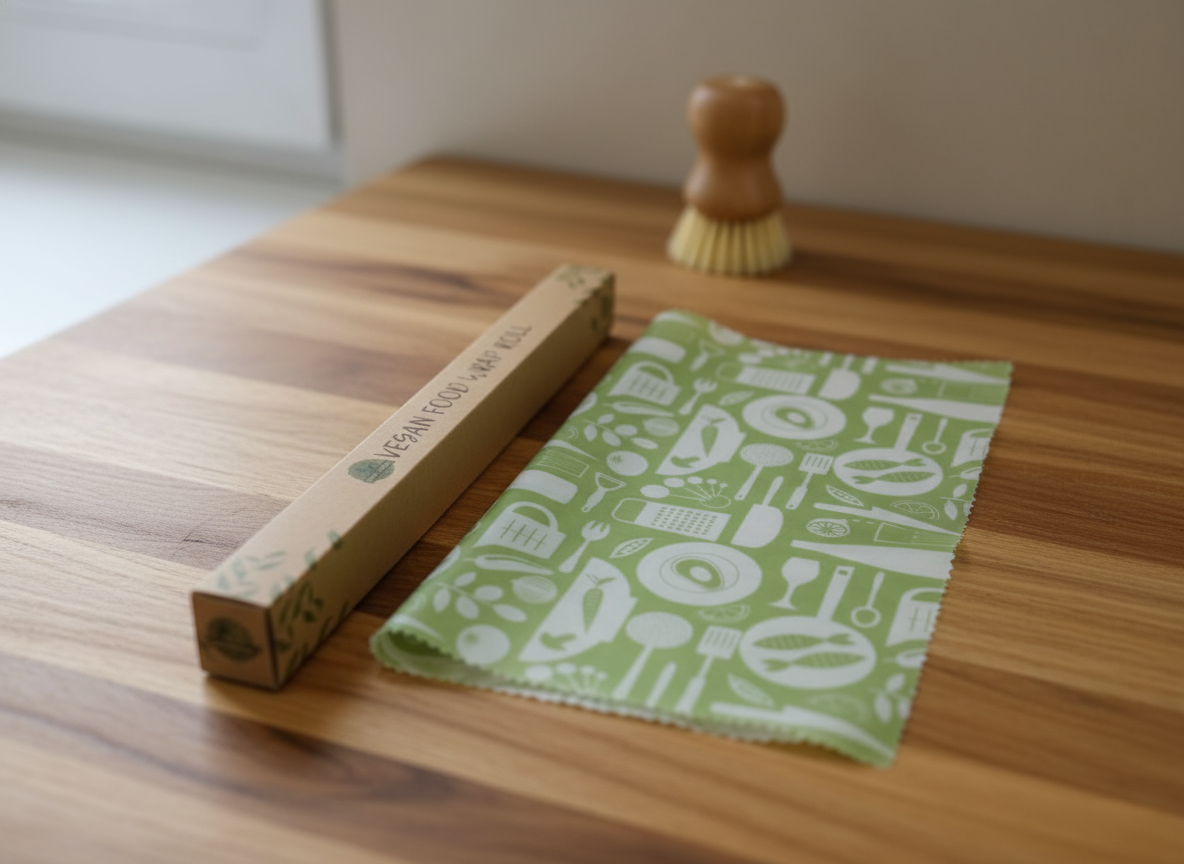
If you want to start with the swaps that give you the best value, a few of ours are built exactly for that. Our beeswax wraps replace plastic wrap and last about a year with normal use, so one set covers roughly the same stretch as four or five rolls of cling film. They wash with cool water and go right back in the drawer.
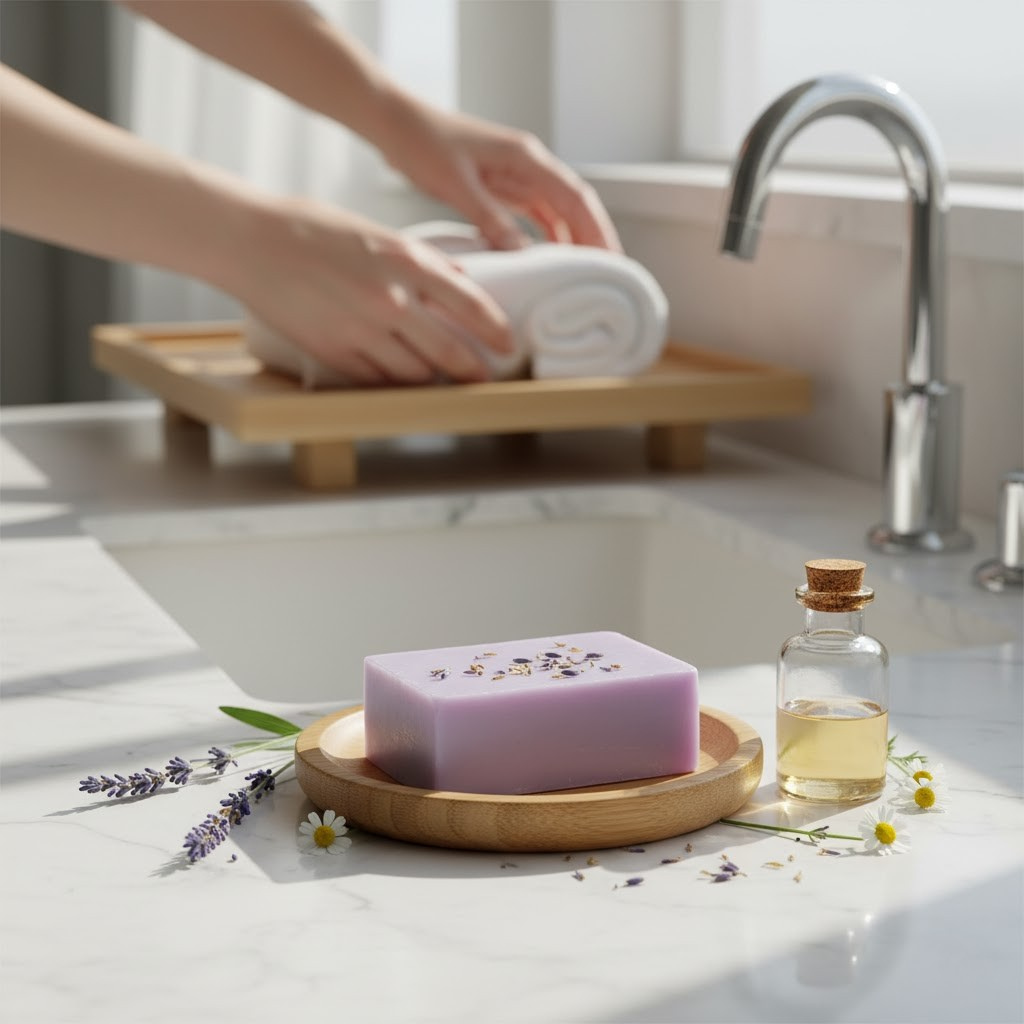
For the bathroom, our shampoo bars are one of the best budget swaps we sell. One bar lasts as long as two to three bottles of liquid shampoo, so the cost per wash comes out lower even though the bar looks small. Pair it with a natural soap bar, which runs $6 to $10 and lasts weeks, and you've replaced two plastic-bottled products with two compostable ones for less than you were spending before.
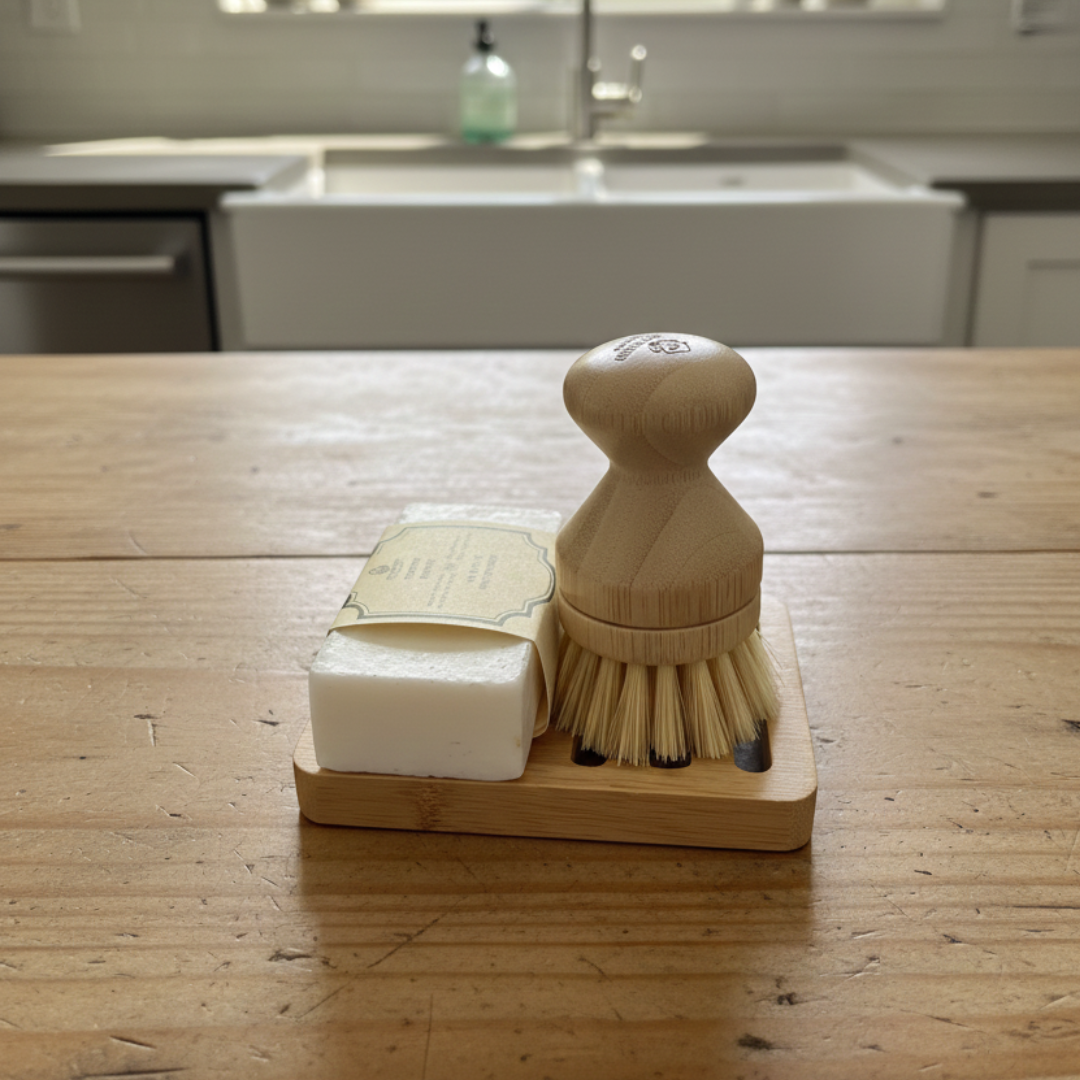
In the kitchen, our dish soap bar handles the same grease as liquid soap, comes with zero plastic packaging, and lasts for months of daily dishes. And a bamboo toothbrush costs about the same as a plastic one, so you break even and skip the plastic handle that would otherwise sit in a landfill. As a Calgary-based zero-waste brand, we keep everything in the $2 to $22 range on purpose, because affordable is the whole point.
How to Start Zero Waste on a Budget (Without Buying Everything at Once)
The fastest way to blow your budget is to try to go zero waste in a weekend. The realistic way is one swap at a time, starting with the ones that cost nothing or pay off fastest. Here's the order that works:
- Start with the free swaps. Cut up old towels or T-shirts to replace paper towels. Keep glass jars from pasta sauce for storage. These cost zero dollars and cut real waste immediately.
- Replace consumables as they run out. When your shampoo bottle empties, buy a bar instead of another bottle. When the dish soap runs low, switch to a bar. You're spending money you'd spend anyway.
- Add one kitchen swap. A set of beeswax wraps is the highest-impact single purchase, since it replaces a product you rebuy constantly.
- Swap durables only when they break. Replace the toothbrush when it's worn, the sponge when it's done. No need to throw out anything that still works.
- Track what you actually use. After a month, you'll know which swaps stuck. Buy more of those, skip the rest.
Done this way, you're never out more than $10 to $20 at a time, and each swap is either free or replacing a purchase already in your budget.
Frequently Asked Questions
Is zero waste actually cheaper in Canada?
For the everyday swaps, yes. Reusables that replace things you rebuy often, like paper towels, plastic wrap, and bottled shampoo, save a small Canadian household roughly $100 to $140 in the first year, and more after that. Some durable swaps like glass containers or a safety razor cost more upfront and pay off slowly. The overall picture is cheaper if you focus on high-frequency purchases first.
What is the cheapest way to start living zero waste?
The cheapest start costs nothing: use what you already own and replace things only as they run out. Cut up old towels for cleaning, reuse glass jars for storage, and switch consumables like shampoo and dish soap to bars when the bottles empty. Starting with free and replacement swaps means you never spend on something before you need it.
What zero-waste swaps save the most money?
Paper towels are the biggest win, since cloth rags cost nothing and replace a weekly purchase, saving around $80 a year. After that, shampoo bars and beeswax wraps offer strong returns because they replace bottled and boxed products you buy on repeat. The rule is simple: the more often you rebuy something, the more the reusable version saves you.
Do I need to buy special products to go zero waste?
No. The greenest and cheapest option is almost always what you already have. Special products only make sense when they replace something you're actively rebuying, like swapping liquid shampoo for a bar. Skip the gadget kits and starter bundles padded with items you won't use, and buy only the specific swaps you'll reach for daily.
How much should I budget for a zero-waste starter setup in Canada?
You don't need a big lump sum. Most people can start for $15 to $20 by picking one or two swaps, like a shampoo bar and a set of beeswax wraps, then adding more as old products run out. Spreading purchases over a few months keeps you from ever spending more than $10 to $20 at once, which is what makes it budget-friendly.
The Bottom Line
Zero waste on a budget in Canada isn't about spending more to be greener. It's about swapping the things you already rebuy every few weeks for versions that last, then letting the savings add up. Start with the free swaps, replace consumables as they run out, and skip anything that's more gadget than genuinely useful. Done that way, a lower-waste home usually costs less than the plastic-heavy one it replaced.
Want to start with the swaps that save the most? Browse our shampoo bars, beeswax wraps, and dish soap bar, all made in Calgary, all under $22, and all shipping across Canada and the US.