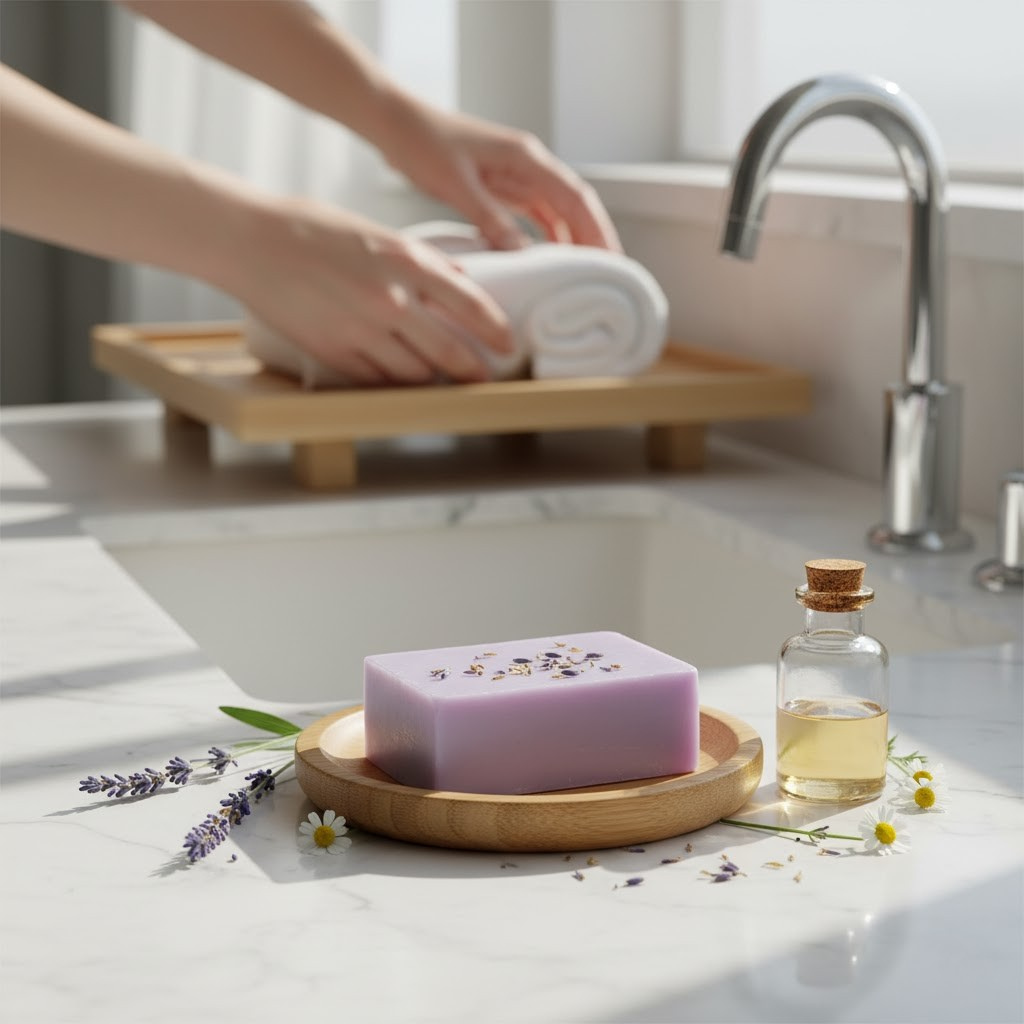
Natural Soap Bars for Sensitive Skin: What to Look For
If your skin gets tight, itchy, or red after a shower, the soap is usually the first suspect. So you switch to something labelled natural, and sometimes it helps. Sometimes it doesn't help at all, and you're left wondering whether the whole category is marketing.
Here's the honest version: natural soap bars for sensitive skin can be a real improvement, but the word "natural" isn't what's doing the work. There's no regulated definition of it in Canada or the US, so it can appear on a bar full of essential oils that irritate skin just as easily as on a plain, gentle one. What actually matters is a short ingredient list, no added fragrance, and enough leftover oil in the bar to keep it from stripping your skin. As a Calgary-based zero-waste brand, we get asked about this more than almost anything else, so below is what to check on a label and why.
Are Natural Soap Bars Better for Sensitive Skin?
Often yes, but not because they're natural. Handmade bars tend to be better for reactive skin for two specific reasons: they usually contain far fewer ingredients than a bottled body wash, and they're typically superfatted, meaning some of the oil is left unsaponified in the finished bar so it doesn't strip your skin bare.
The most common irritants in cleansers are added fragrance and harsh detergents, and both are much more likely to appear in mass-produced bottled products. Fragrance is one of the most frequent causes of contact dermatitis, and it's the only ingredient category that can legally hide dozens of individual compounds behind a single word on the label. Sodium lauryl sulfate, a detergent found in plenty of body washes, is used in dermatology research specifically because it reliably irritates skin.
What natural soap doesn't do is change the fundamental chemistry. All true soap is alkaline, sitting around pH 9 to 10, while skin sits closer to pH 5. Healthy skin recovers from that shift within an hour or two. Very compromised skin, like active eczema, may not. That's why a plain natural bar works beautifully for most people with mildly sensitive skin, and why someone in an eczema flare may do better with a low-pH syndet bar recommended by their doctor. Eczema is common enough to be worth naming here: the Eczema Society of Canada estimates around 17 percent of Canadians will experience it at some point.
What to Look For in Natural Soap Bars for Sensitive Skin
Five things, in order of how much they matter.
| What to check | What you want | Why it matters |
|---|---|---|
| Fragrance | None, or a very light single essential oil | Added fragrance is the leading cause of cleanser reactions, and "fragrance" can conceal many compounds |
| Ingredient count | Under 10 ingredients | Fewer inputs means fewer suspects if you do react |
| Superfat level | 5-8 percent | Leftover oil buffers the cleansing action so skin doesn't feel stripped |
| Cure time | 4-6 weeks | A properly cured bar is milder, harder, and lasts far longer |
| Additives | Skip exfoliants, dyes, and heavy botanicals | Ground seeds and dried petals scratch already-irritated skin |
A few label terms worth translating:
- Unscented usually means no fragrance was added. Fragrance-free should mean the same, though it occasionally means a masking scent was used to cover a raw ingredient smell.
- Essential oil is still fragrance. It's plant-derived, which is genuinely different from synthetic fragrance in origin, but not automatically gentler. Citrus oils and peppermint are among the more reactive ones.
- Hypoallergenic has no legal definition anywhere in North America. It's a claim, not a standard.
- Saponified oils just means the oils were turned into soap. It's a normal, good sign on a handmade bar.
Which Ingredients Help and Which Cause Trouble
Sensitive skin is individual, so treat this as a starting point rather than a rulebook. Still, the same names come up again and again on both sides.
| Generally gentle | Worth being cautious about |
|---|---|
| Olive oil - mild, long history of use on reactive skin | Added fragrance or "parfum" |
| Shea butter - adds cushion and leaves skin softer | Citrus and peppermint essential oils |
| Coconut oil in modest amounts - cleans well, drying if it dominates | Sodium lauryl sulfate and similar detergents |
| Oat - long used for itch relief | Ground walnut shell, apricot seed, and other scrubs |
| Glycerin - draws moisture in, naturally present in handmade soap | Artificial dyes and micas |
| Castor oil - improves lather without harshness | Dried flowers and herbs left in the bar |
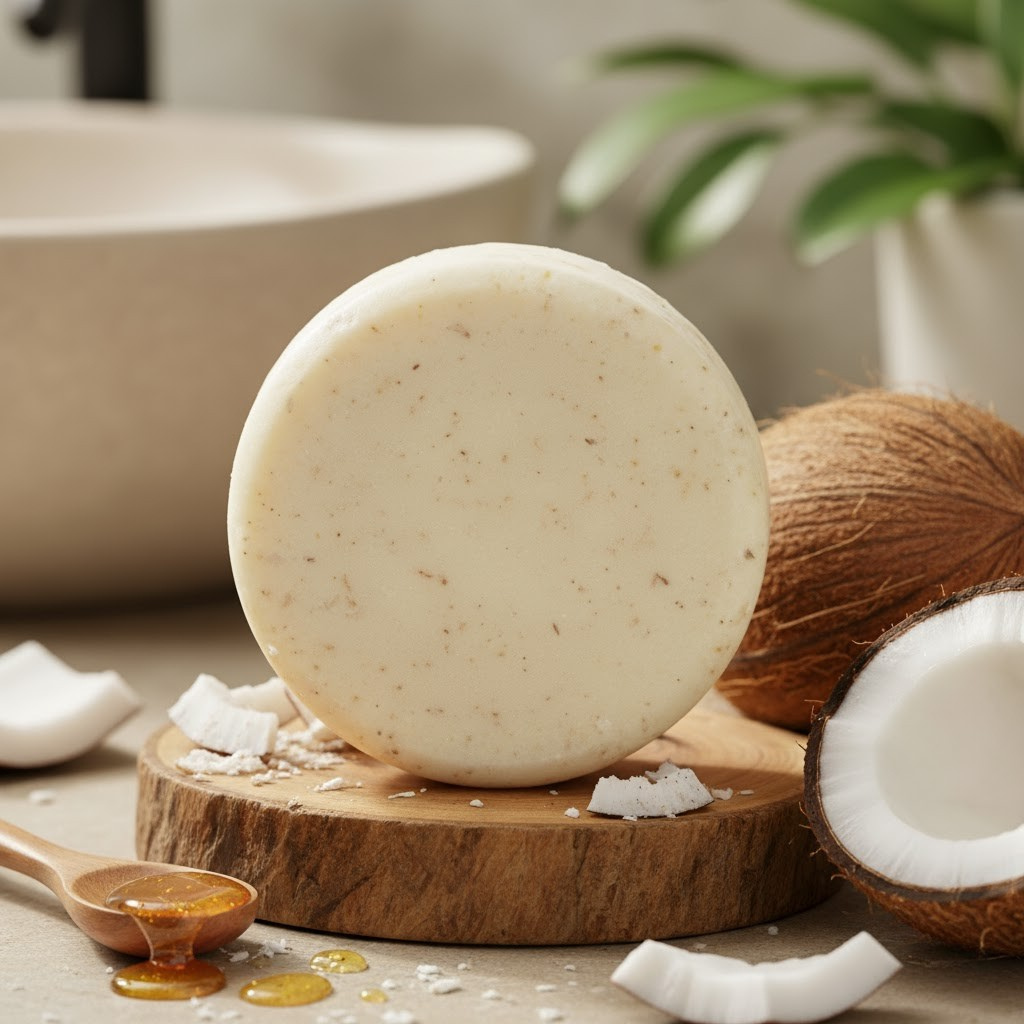
One thing on that list surprises people: coconut oil. It makes a hard bar with big bubbles, which is why cheap soap uses a lot of it, but at high percentages it's genuinely drying. A well-balanced bar uses it alongside olive oil and shea rather than as the main event.
Another surprise is glycerin. Commercial soap makers often remove it from the bar and sell it separately, then add it back into lotion. Handmade cold process soap keeps it, which is part of why a good bar can leave skin feeling better than a bottled wash does.
Bar vs Bottle for Reactive Skin
| Natural soap bar | Bottled body wash | |
|---|---|---|
| Typical ingredient count | 5-9 | 20-40 |
| Preservatives needed | None, low water content | Yes, water-based |
| Added fragrance | Optional, often none | Very common |
| Packaging | Paper or none | Plastic bottle |
| Cost per use | Lower, a bar outlasts a bottle | Higher |
| Best for | Mild to moderate sensitivity | Very compromised skin, if using a low-pH syndet formula |
The ingredient count line is the important one. If you react to something in a 30-ingredient wash, identifying it is nearly impossible. If you react to a six-ingredient bar, you can work it out in a couple of tries.
Choosing an EcoHaven Bar
Our natural soap bars are made in small batches in Calgary with a short list of plant oils, cured for several weeks, and superfatted so they clean without leaving skin tight. If your skin is on the reactive side, start with an unscented bar rather than a scented one. It removes the single most likely irritant, and you can always try a lightly scented bar later once you know how your skin does.
If your scalp is sensitive too, the same logic carries over to hair. A shampoo bar skips the sulfates and the preservative system that bottled shampoo needs, which is often what's behind an itchy scalp. Bars sit in the $6 to $14 range, so testing one is a small commitment. You can see the full lineup in our bathroom collection, all plastic-free and shipping across Canada and the US.
How to Switch Without Setting Off a Reaction
- Patch test first. Lather a small amount on your inner forearm, rinse, and wait 24 hours. It's not a perfect predictor, but it catches obvious reactions cheaply.
- Change one product at a time. If you swap soap, shampoo, and lotion in the same week and your skin flares, you've learned nothing.
- Give it two weeks. Skin adjusting to a new cleanser is normal. Skin that's itchy and red is not, and that's your signal to stop.
- Use lukewarm water. Hot water strips the skin barrier far more than any soap does, and it's the easiest fix on this list.
- Moisturize within three minutes of towelling off. Damp skin holds what you put on it. This matters more than which soap you chose.
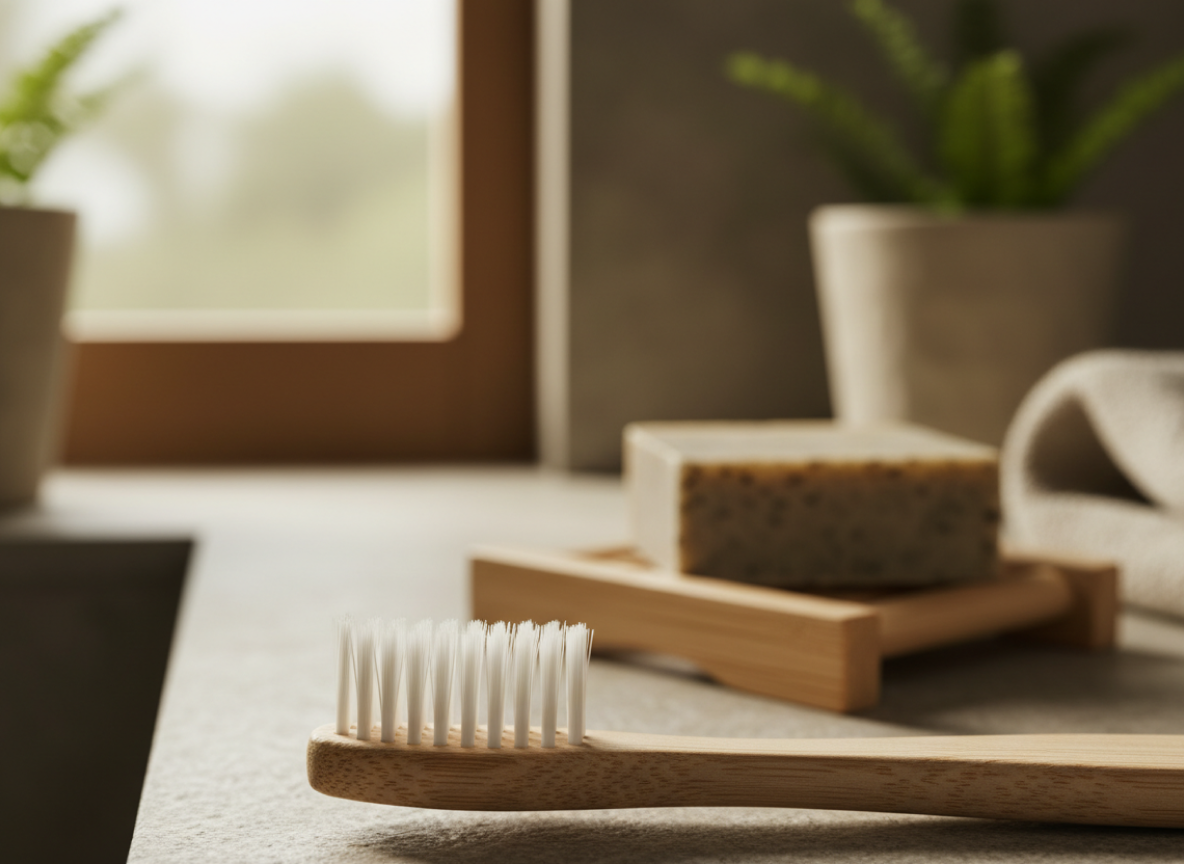
- Keep the bar dry between uses. A draining dish makes a bar last two to three times longer and keeps it from going soft and mushy.
If your skin is reacting to nearly everything, that's worth a conversation with a doctor or dermatologist rather than another product swap. Persistent eczema, rosacea, and psoriasis all need more than a change of soap.
Frequently Asked Questions
Are natural soap bars good for sensitive skin?
For most people with mildly sensitive skin, yes. Handmade bars usually have five to nine ingredients compared to 20 or more in bottled body wash, they're superfatted so they don't strip the skin, and they retain the glycerin that commercial soap removes. The key is choosing an unscented bar with no exfoliants, since added fragrance is the most common cause of cleanser reactions. Very compromised or actively flaring skin may still do better with a low-pH cleanser recommended by a doctor.
What ingredients should I avoid in soap if I have sensitive skin?
Added fragrance or "parfum" first, since a single label word can cover dozens of compounds. Then sodium lauryl sulfate and similar strong detergents, artificial dyes, physical exfoliants like ground seeds and shells, and dried botanicals left in the bar. Strongly scented essential oils such as citrus and peppermint are worth avoiding too, even though they're plant-derived.
Is unscented soap really better for sensitive skin?
Usually. Fragrance is the ingredient category most often linked to contact dermatitis from cleansers, so removing it removes the most likely trigger. Unscented also makes troubleshooting easier: if you react to a bar with no fragrance in it, you know to look at the oils instead. Note that "unscented" and "fragrance-free" are not regulated terms, so check the ingredient list rather than trusting the front of the package.
Does natural soap dry out your skin?
It can if the bar is high in coconut oil or has little superfat, since both make for a stronger cleansing action. A bar balanced with olive oil and shea butter and superfatted at 5 to 8 percent shouldn't leave skin tight. Water temperature matters as much as the soap: hot showers strip the skin barrier and are a more common cause of post-shower dryness than the bar itself.
How long does a natural soap bar last?
A well-cured bar typically lasts four to six weeks with daily use, which is longer than a comparable bottle of body wash costs to replace. Cure time is the main variable. Bars cured four to six weeks are harder and dissolve more slowly than fresh ones. Storing it on a draining dish out of the shower stream makes the biggest practical difference.
The Bottom Line
Natural soap bars for sensitive skin work best when you stop shopping for the word "natural" and start reading the ingredient list. A short list, no added fragrance, a decent superfat, and no scratchy add-ins will do more for reactive skin than any claim on the front of the box. Add lukewarm water and moisturizer within a few minutes of getting out, and most people find the shower stops being something their skin has to recover from.
Ready to try one? Start with an unscented natural soap bar from our Calgary-made lineup, plastic-free and under $10.