Why Beeswax Wraps Are a Better Alternative to Plastic Wrap in Real Life
Plastic wrap has been in most kitchens for decades, so it rarely gets questioned. It’s cheap, familiar, and always within reach. But if you stop and pay attention to how it’s actually used, it starts to feel inefficient. It tears easily, clings unpredictably, and is usually thrown away after a single use.
That friction is why more people are quietly replacing plastic wrap with beeswax wraps. Not because they’re trying to be perfect or eco-idealistic, but because they work better for everyday food storage.
How plastic wrap really behaves in the kitchen
Plastic wrap is designed to create an airtight seal, but in practice, that seal is inconsistent. It stretches unevenly, sticks to itself instead of the bowl, and often loosens once it hits the fridge.
It also traps moisture. That trapped moisture is what causes food to spoil faster. Cheese sweats. Herbs rot. Bread becomes soggy. The very thing plastic wrap is meant to protect food from often accelerates the problem.
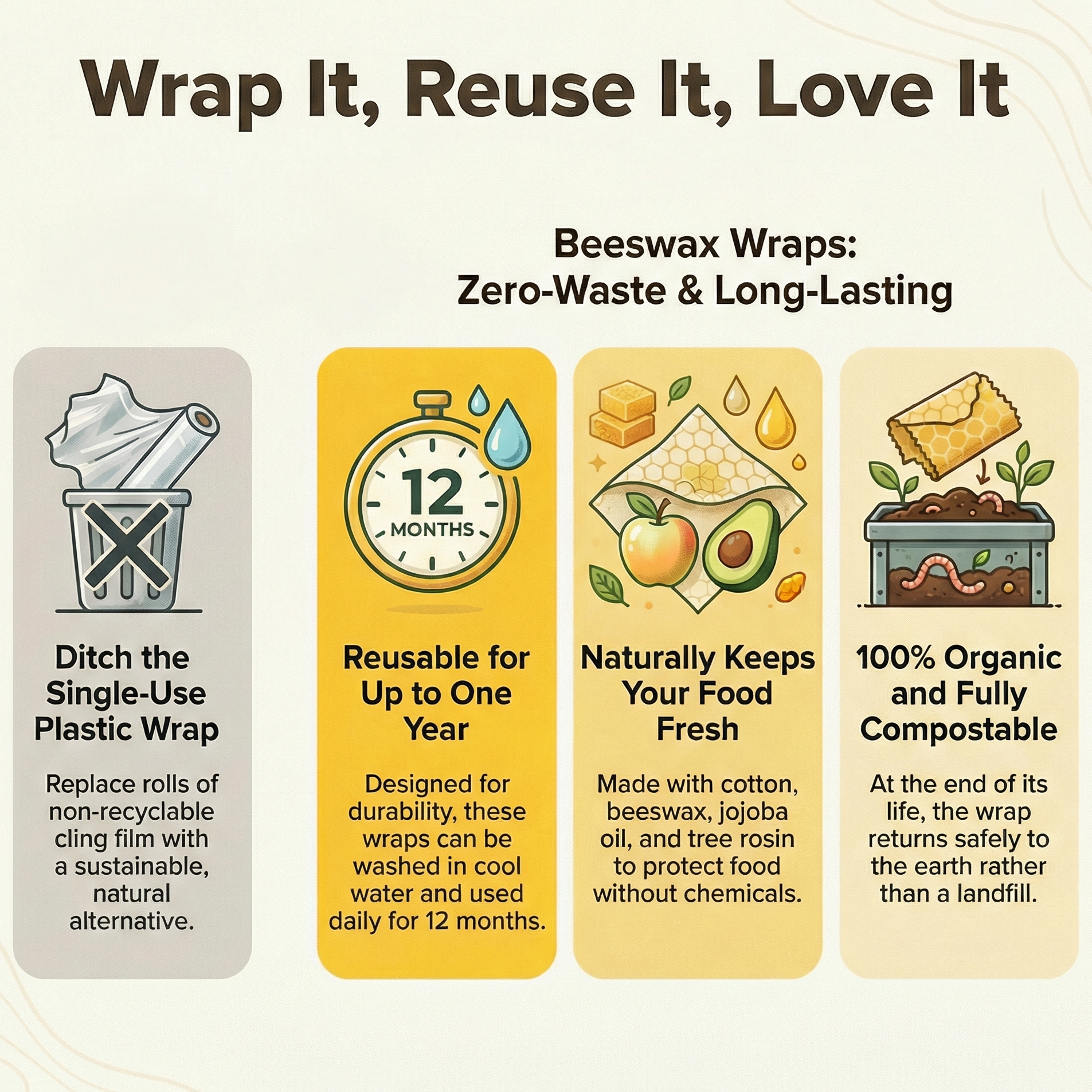
Once it’s crumpled or torn, it’s no longer usable. And because plastic wrap cannot be recycled, it goes straight into the trash.
How beeswax wraps approach food storage differently
Beeswax wraps don’t try to mimic plastic wrap. Instead of sealing food airtight, they protect it while allowing airflow. That small difference changes how food holds up over time.
The wax coating softens with the warmth of your hands, allowing the wrap to mold around food or containers. Once in place, it stays put without stretching or snapping back.
Because beeswax wraps are breathable, they help regulate moisture instead of trapping it. This is why they’re especially popular for produce, bread, and cheese.
They also return to their original shape after use, which is why they can be reused for months.
Reusability is where the gap really widens
Plastic wrap is technically cheap, but only if you look at one roll in isolation. Over time, most households go through dozens of rolls, all of which end up as waste.
A single beeswax wrap can replace hundreds of sheets of plastic wrap over its lifetime. With basic care, it’s used daily for six months to a year.
That difference matters, especially for people trying to reduce kitchen waste without changing how they cook or eat.
Where beeswax wraps work best (and where they don’t)
Beeswax wraps are ideal for:
-
Covering bowls and plates
-
Wrapping fruits and vegetables
-
Packing sandwiches or snacks
-
Storing cheese
-
Wrapping half-used produce
They are not suitable for:
-
Raw meat or fish
-
Hot food
-
Microwaves or ovens
Plastic wrap still has limited use cases, but for most fridge and counter storage, beeswax wraps are the more practical option.
Cost over time: what people don’t factor in
Beeswax wraps cost more upfront. That part is obvious. What’s less obvious is how quickly plastic wrap adds up when it’s constantly replaced.
Because beeswax wraps are reused for months, the cost evens out faster than expected. Many people find they stop buying plastic wrap entirely after switching.
That combination of durability and reusability is why beeswax wraps are often one of the first swaps people make when building a lower-waste kitchen.
Why people don’t go back to plastic wrap
Once people adjust to beeswax wraps, plastic wrap starts to feel flimsy and wasteful. Beeswax wraps feel sturdier, easier to handle, and more predictable.
There’s also a mindset shift. Reusing the same wrap encourages more thoughtful food storage. Less over-wrapping. Less waste. Fewer forgotten leftovers.
Plastic wrap is designed for convenience, but beeswax wraps end up being more convenient over time.
Is switching worth it?
If you’re looking for a realistic alternative to plastic wrap that fits into everyday routines, beeswax wraps are an easy upgrade. They don’t require new habits or systems. They simply replace something you already use, but in a way that lasts longer and creates less waste.
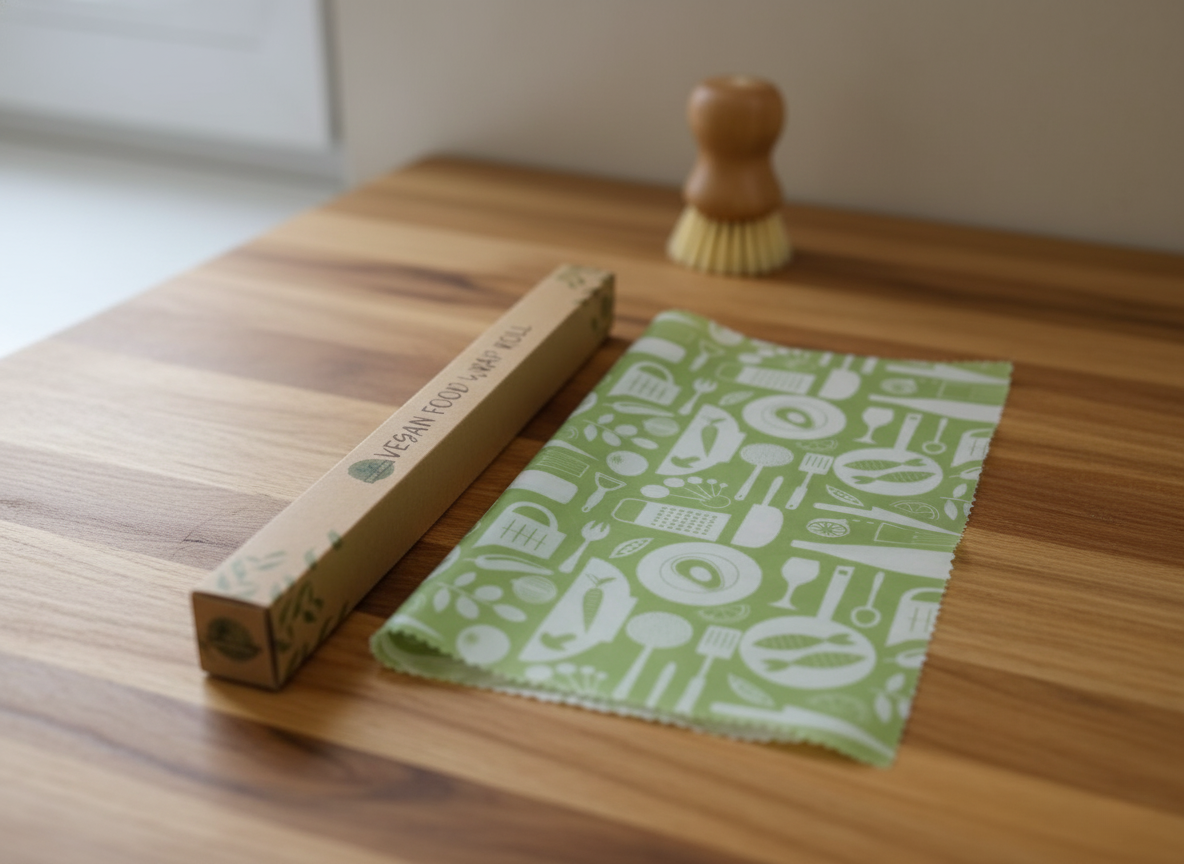
Eco Haven carries beeswax wraps that are designed for daily use, whether you prefer pre-cut sizes or flexible rolls you can customize. You’ll find them alongside other practical kitchen essentials in the
https://www.ecohavenmarket.com/collections/kitchen-dining
If you want to explore specific options:
-
Pre-cut wraps for everyday use:
https://www.ecohavenmarket.com/products/3-pack-beeswax-wrap -
Custom-size wrap rolls:
https://www.ecohavenmarket.com/products/beeswax-food-roll-plastic-free-customizable-cut-your-own-size
For a broader look at small swaps that reduce waste without overhauling your routine, this guide is a good starting point:
https://www.ecohavenmarket.com/blogs/news/10-eco-friendly-goods-that-will-transform-your-daily-life