What Is Low Waste Living (And How It Actually Fits Into Normal Life)
Low waste living often gets misunderstood. It’s usually presented as an all-or-nothing lifestyle, filled with rules, perfect systems, and the pressure to do everything right. That framing makes many people feel like it’s unrealistic or not meant for them.
In practice, low waste living is much simpler. It’s about reducing the things you throw away most often and choosing options that last longer, without changing how you live day to day.
What low waste living really means
Low waste living focuses on reducing repeat, unnecessary waste, especially items that are used briefly and discarded immediately. It’s less about eliminating waste entirely and more about noticing patterns.
What do you buy over and over?
What breaks quickly?
What gets thrown away without much thought?
Low waste living starts by answering those questions honestly and making small adjustments where it makes sense.
It doesn’t require perfection. It doesn’t require replacing everything you own. And it doesn’t require adopting a new identity.
Why it often feels harder than it is
Most people first encounter low waste living through extreme examples. That creates the impression that you need to change everything at once or that if you can’t do it perfectly, there’s no point starting.
That’s rarely how it works in real homes.
Most household waste comes from a few repeated habits. Food storage. Personal care. Cleaning tools. When those areas are addressed gradually, the impact adds up without feeling disruptive.
Where people usually start (and why)
The easiest entry point for many people is the kitchen. Food storage creates a steady stream of single-use waste, often without being noticed.
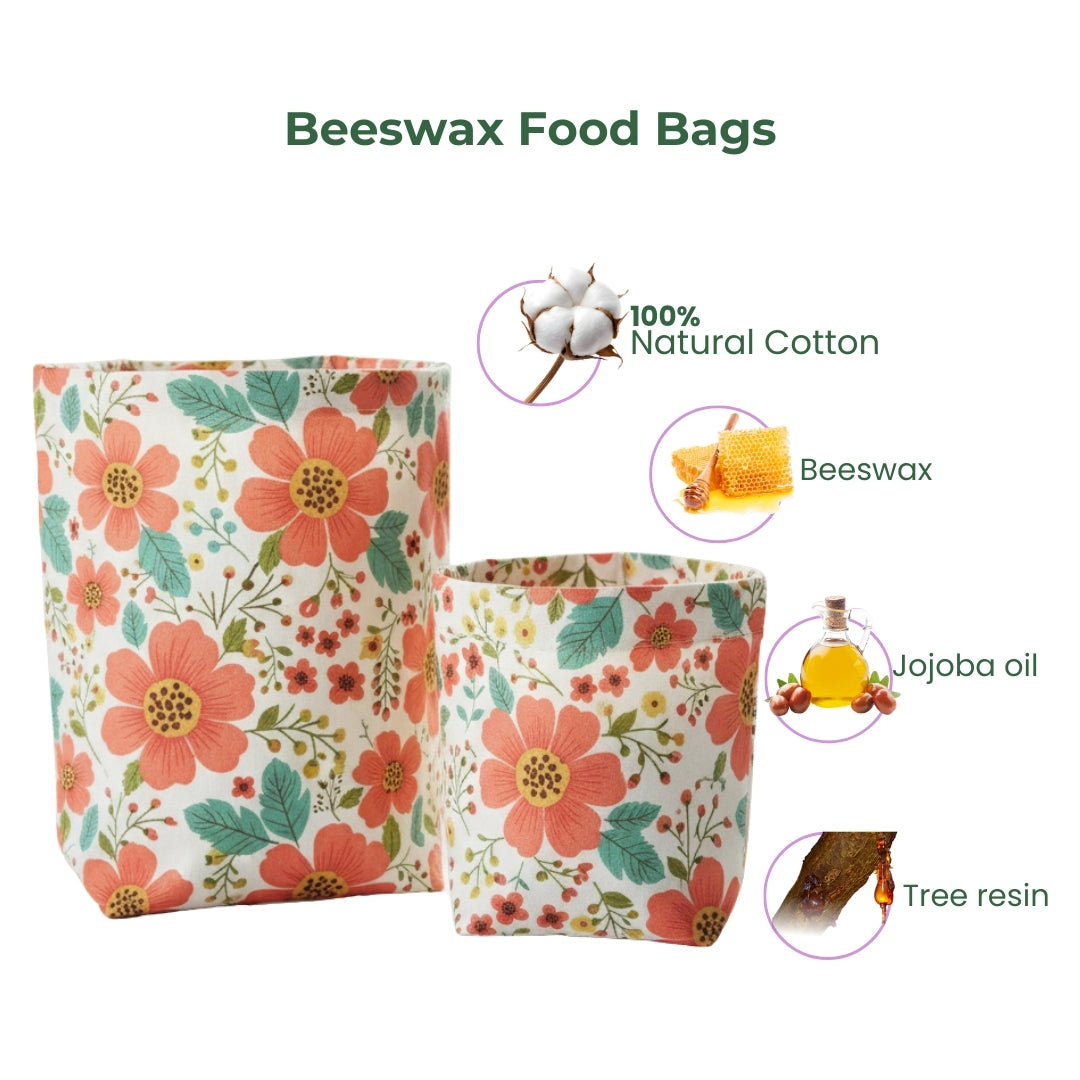
Replacing plastic wrap is a common first step because it doesn’t require a behavior change. You’re still wrapping food, just with something reusable. If you’re curious about how that swap works in practice, this comparison explains it clearly:
https://www.ecohavenmarket.com/blogs/news/why-beeswax-wraps-are-a-better-alternative-to-plastic-wrap-in-real-life
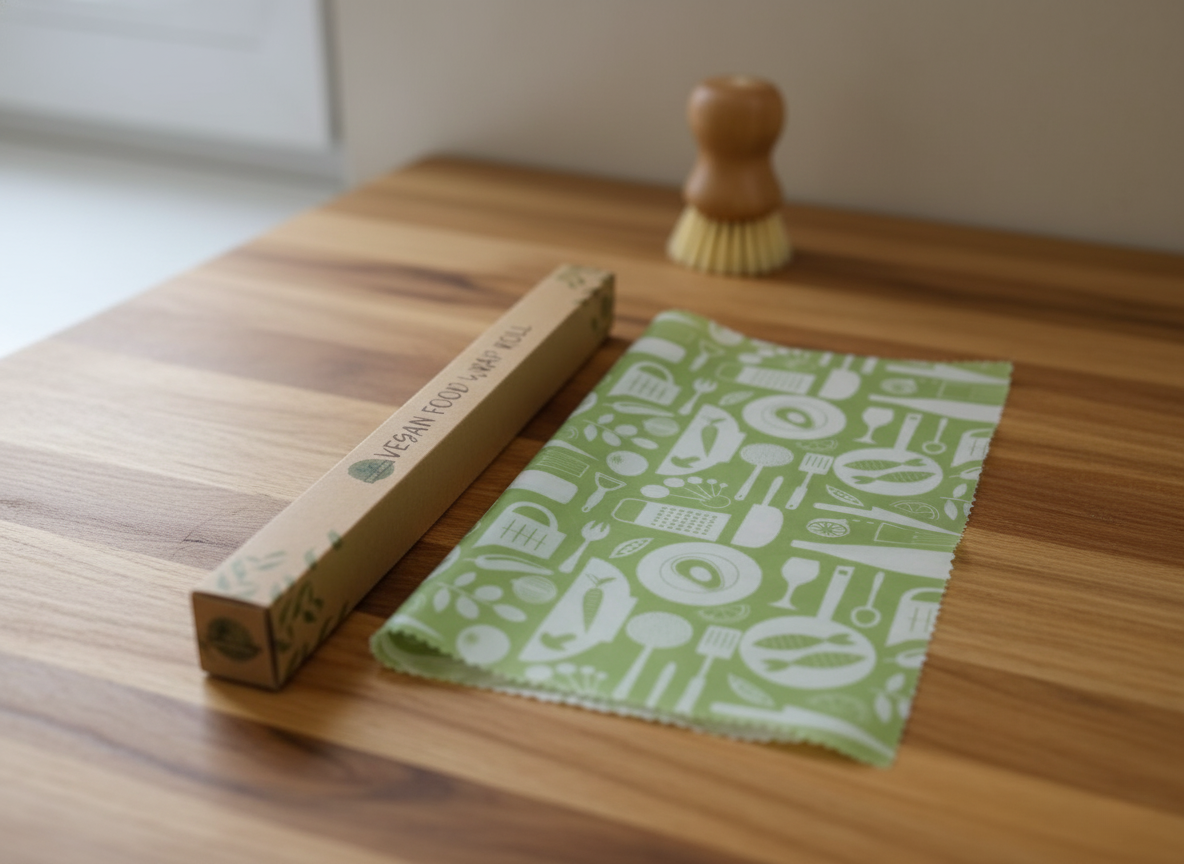
Some people prefer flexibility over pre-cut options. In those cases, a beeswax food roll that can be cut to size fits naturally into existing routines:
https://www.ecohavenmarket.com/products/beeswax-food-roll-plastic-free-customizable-cut-your-own-size
These kinds of changes tend to stick because they don’t ask you to think differently every day.
Low waste living isn’t about buying more
A common misconception is that low waste living requires buying lots of new “eco” products. In reality, it often means buying less, but buying things that last.
Using what you already have longer. Repairing instead of replacing. Choosing tools that don’t need to be thrown away as often.
That mindset is why refill systems matter. Replacing only the part that wears out reduces waste without adding complexity. A simple example is swapping brush heads instead of entire cleaning tools:
https://www.ecohavenmarket.com/products/dish-pan-brush-refill-waste-free-replacement
Low waste isn’t about removing convenience. It’s about removing disposability.
How habits change quietly over time
One thing people don’t expect is how low waste living changes awareness rather than behavior. You start noticing how often certain items are replaced. You become more intentional without trying to be.
Daily habits stay the same. The waste simply decreases.
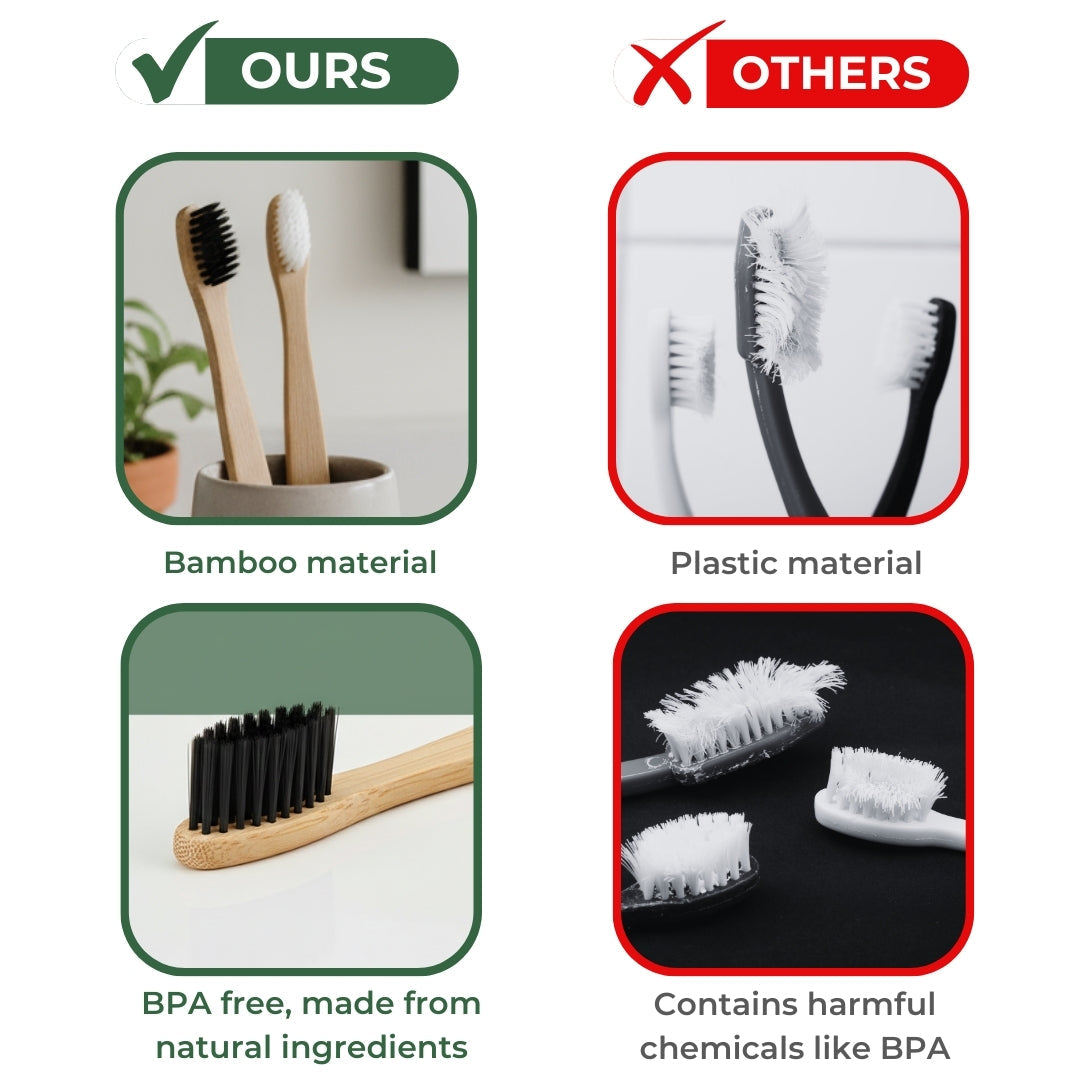
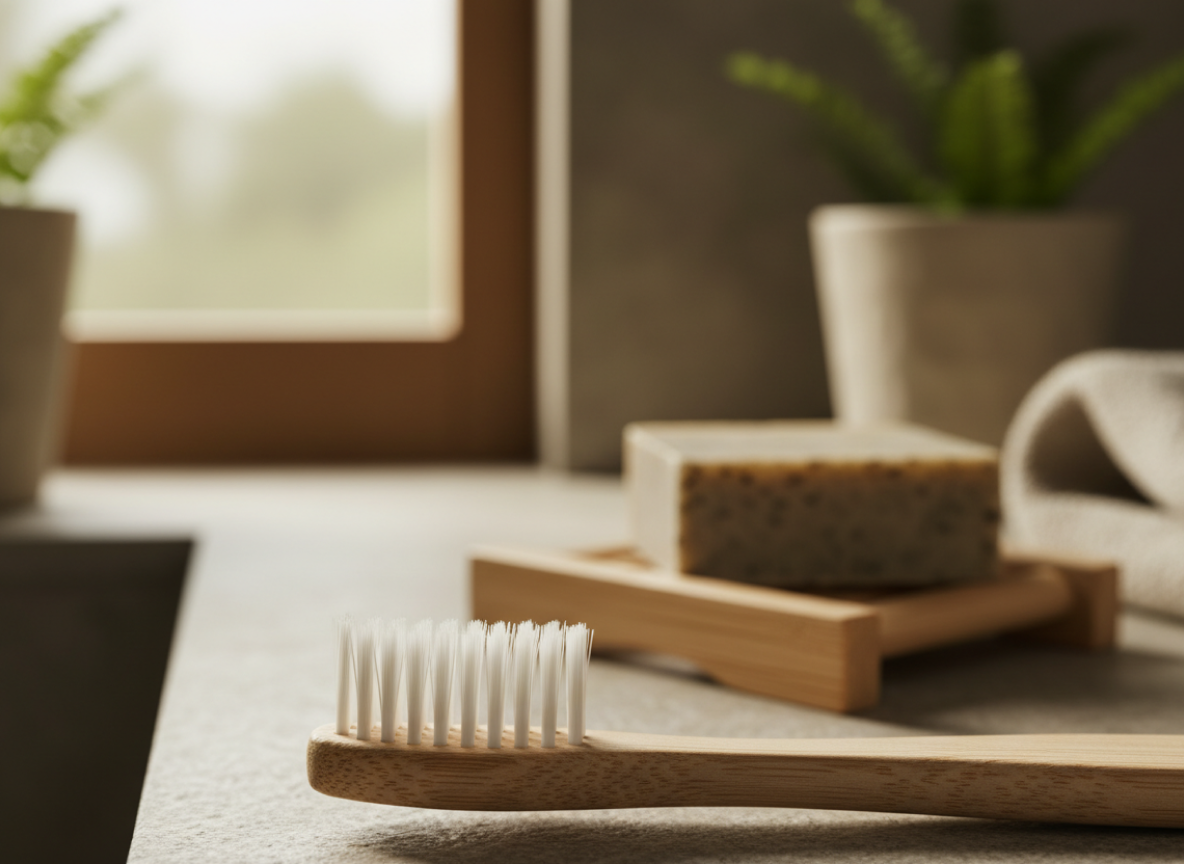
This applies to personal care as well. Switching to reusable or longer-lasting tools doesn’t require new routines, just better choices within the same routine. If you’re curious how that looks in practice, this guide on bamboo toothbrushes walks through it step by step:
https://www.ecohavenmarket.com/blogs/news/how-to-use-a-bamboo-toothbrush-properly-and-make-it-last-without-wasting-it
Is low waste living realistic?
Low waste living works best when it’s treated as a direction, not a destination. You don’t need to do everything. You don’t need to do it fast. You don’t need to explain it to anyone.
Start where it feels easiest. Replace things when they wear out. Choose options that last longer the next time you need something new.
Over time, the amount you throw away shrinks. Not because you tried harder, but because the system around you changed slightly.
That’s what makes low waste living sustainable in the long run.