
The Longevity Guide: How to Make Your Eco-Swaps Last 12+ Months
Most eco swaps don’t fail because they’re poorly made. They fail because they’re treated like disposable products in a world built around convenience.
Longevity isn’t about perfection. It’s about a few repeatable habits that protect materials from the things that shorten their life most: moisture, friction, heat, and neglect.
This guide focuses on what actually works in real homes.
Why eco swaps wear out earlier than expected
Natural materials behave differently than plastic. Bamboo absorbs moisture. Soap dissolves when left wet. Beeswax softens with heat.
None of this is a flaw. It’s simply how natural materials work.
When eco swaps fail early, it’s almost always because they weren’t allowed to dry, rest, or reset between uses.
Rule 1: Drying is not optional
Airflow is the single biggest factor in how long most eco products last.
Brushes
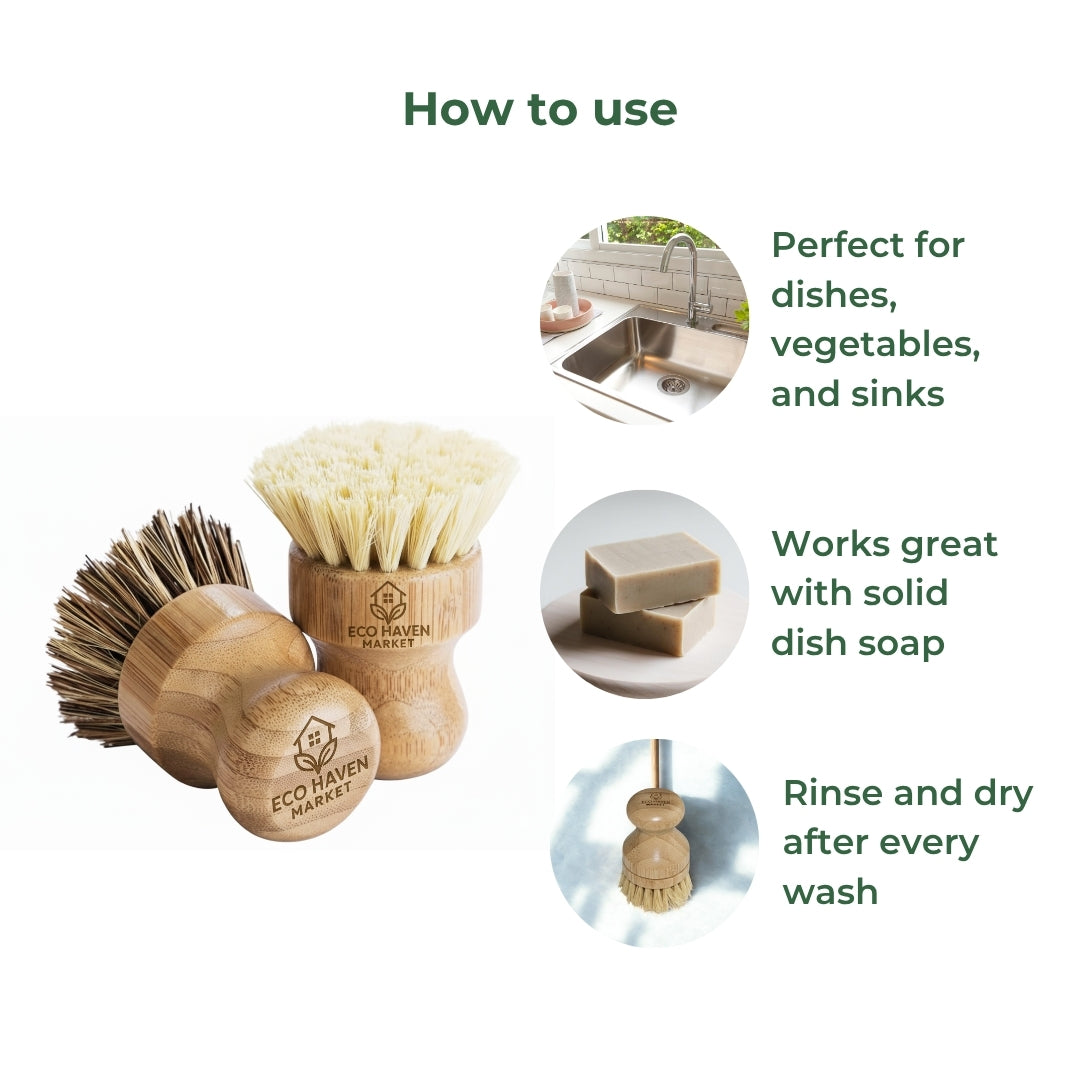
Bamboo brushes last significantly longer when water is shaken out after use and the brush is stored bristles-down or upright. Letting water pool at the base is what causes cracking and mold.
A bamboo dish brush with sisal bristles performs best when it dries fully between uses.
https://www.ecohavenmarket.com/products/bamboo-dish-brush-with-sisal-bristles-zero-waste-cleaning
Bars
Solid products dissolve when left sitting in water. This applies to dish soap bars, shampoo bars, and conditioner bars.
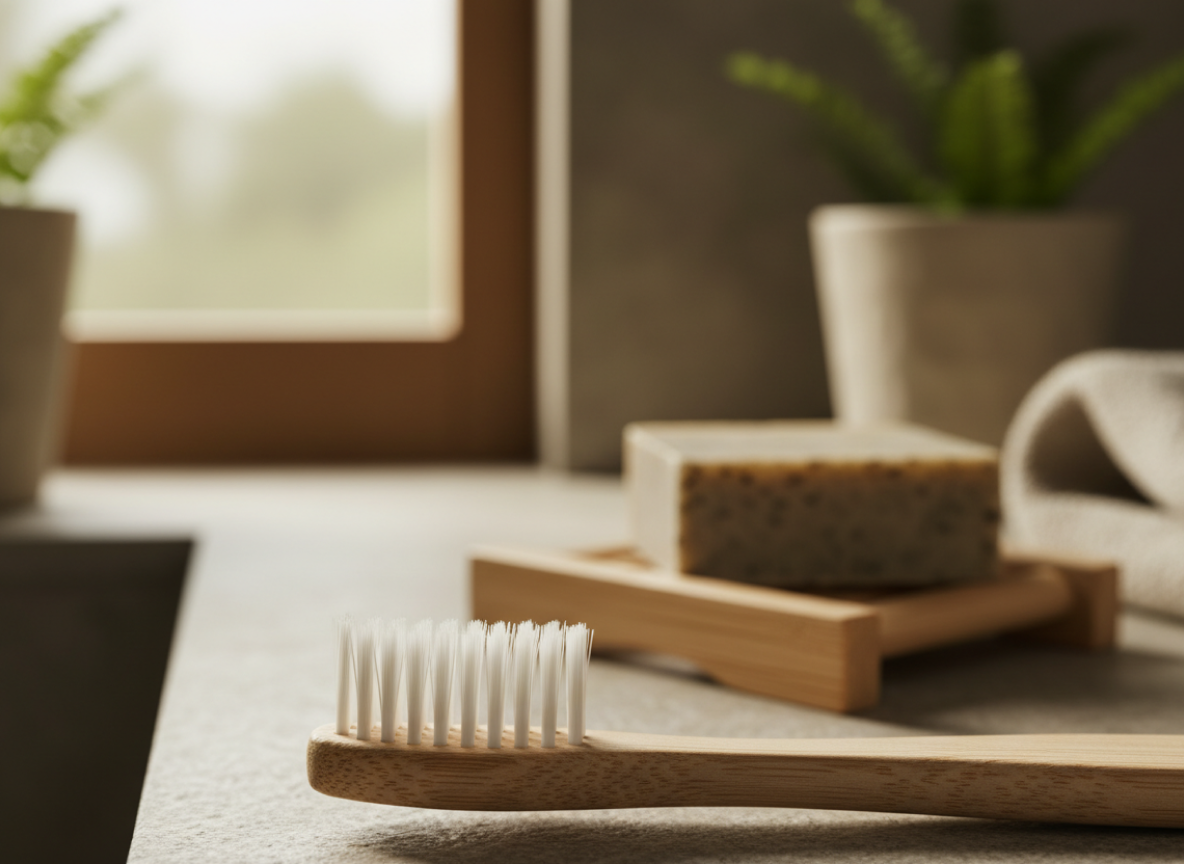
A raised surface that allows airflow makes a noticeable difference. A bamboo soap dish helps bars dry evenly instead of softening from underneath.
https://www.ecohavenmarket.com/products/bamboo-soap-dish-extend-the-life-of-your-bar-soaps
Rule 2: Concentrated products need lighter use
One of the most common mistakes with solid products is using too much.
A zero-waste solid dish soap bar is concentrated. You don’t need to coat the sink or flood the pan. Lightly load your sponge or brush and let friction do the work.
https://www.ecohavenmarket.com/products/zero-waste-solid-dish-soap-bar-lemon-vegan
Using less product doesn’t reduce performance. It extends lifespan.
Rule 3: Rotate instead of replacing
Longevity improves when products get breaks.
If you wash dishes multiple times a day, rotating between tools allows everything to dry properly. This reduces constant dampness and prevents premature wear.
Having more than one tool isn’t excess. It’s maintenance.
Rule 4: Replace parts, not the whole product
Many eco swaps are designed so only the worn part needs replacing.
When the handle is still solid but the bristles wear down, refills extend the life of the tool without creating unnecessary waste. A dish pan brush refill lets you keep using the same handle longer.
https://www.ecohavenmarket.com/products/dish-pan-brush-refill-waste-free-replacement
This single shift often doubles the usable life of cleaning tools.
Rule 5: Store with intention
Where products live matters as much as how they’re used.
-
Keep bars away from direct water streams
-
Store brushes where air circulates
-
Avoid sealed containers for damp tools
-
Don’t stack wet items together
Good storage doesn’t need to be aesthetic. It just needs airflow.
Rule 6: Heat and pressure matter
Natural coatings and waxes respond to heat.
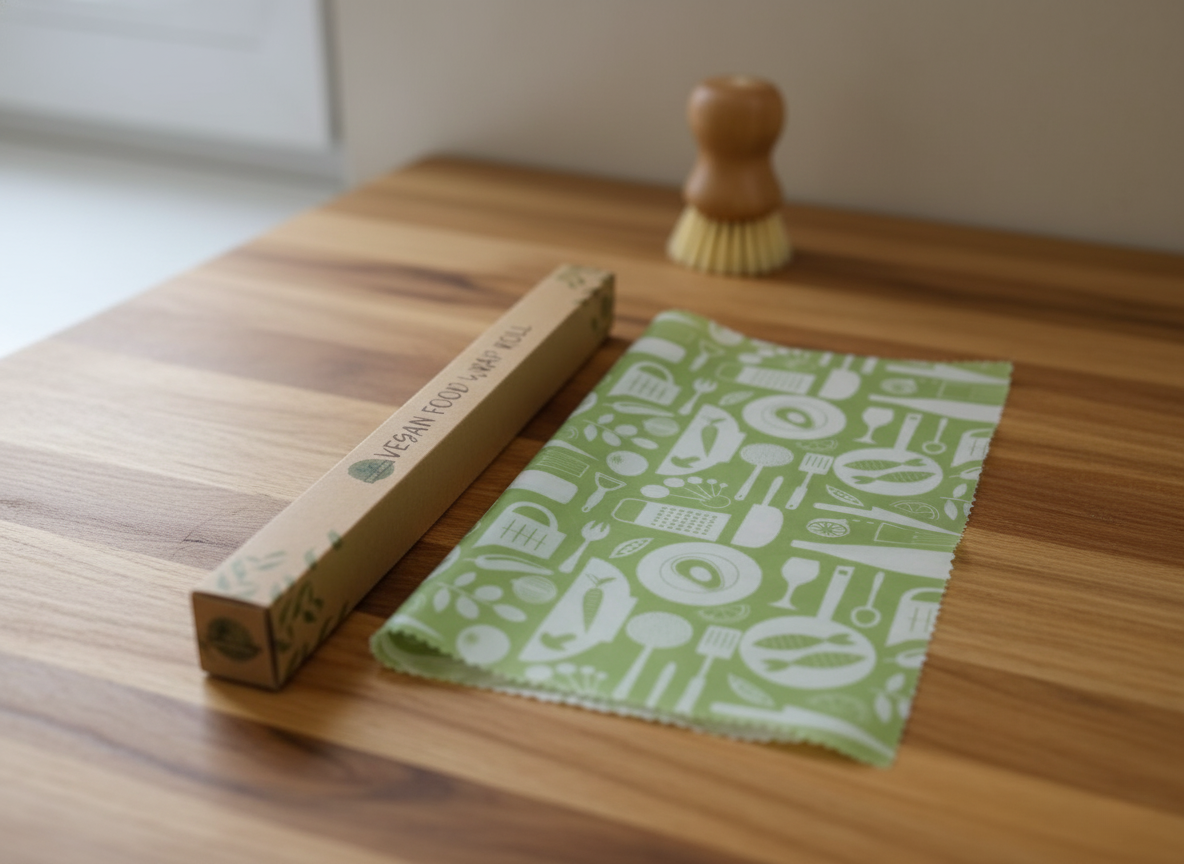
Beeswax wraps last longer when kept away from hot water, microwaves, and direct heat. Gentle washing in cool water and air drying preserves their seal and flexibility.
A beeswax food roll lasts especially well when trimmed to size, since you’re not over-handling or folding excess material.
https://www.ecohavenmarket.com/products/beeswax-food-roll-plastic-free-customizable-cut-your-own-size
The less stress you put on natural materials, the longer they perform as intended.
Rule 7: First use sets the tone
How a product is treated in its first week often determines how long it lasts.
-
Let brushes fully dry from day one
-
Don’t oversaturate bars immediately
-
Avoid heat exposure early with waxed items
These habits form quickly and prevent early breakdown.
Rule 8: Know when something is truly done
Longevity doesn’t mean forcing a product past its useful life.
When a bamboo brush handle cracks beyond repair or a bar becomes too thin to use comfortably, that’s not failure. It’s completion.
Many eco products are designed so parts can be separated or composted responsibly at end of life. Knowing this removes the pressure to make something last forever.
The mindset that makes eco swaps stick
Eco swaps work best when they’re treated as tools, not symbols.
They don’t need perfect care. They need reasonable attention:
-
Let things dry
-
Use what you need, not more
-
Replace parts when possible
-
Store with intention
These habits don’t take extra time. They simply replace disposable thinking with practical care.
The real takeaway
Making eco swaps last 12 months or more isn’t about buying the “best” product. It’s about understanding materials and working with them instead of against them.
When you do that, products stop feeling fragile or fussy. They become reliable parts of your routine.
Longevity isn’t a restriction. It’s efficiency.
And once you experience that, going back to disposable habits feels unnecessary.
The 30-Second Maintenance Routine (Cheat Sheet)
Daily
Shake out brushes after use and stand them upright so they can dry fully.
Weekly
Check that your soap bars aren’t sitting in a puddle. Adjust placement if needed.
Monthly
If bamboo handles look dry, give them a quick wipe with a small amount of food-grade oil to keep the wood conditioned.


