Article: How to Design a Zero-Waste Kitchen Sink That Actually Looks Good

How to Design a Zero-Waste Kitchen Sink That Actually Looks Good
Most zero-waste sink setups don’t fail because the products don’t work. They fail because everything is visible, mismatched, and crowded into a space that’s already busy.
A good sink setup should feel calm, intentional, and easy to maintain. When done right, zero-waste tools don’t make the sink messier. They simplify it.
This guide focuses on how to design a sink area that functions well and still looks good.
Why most kitchen sinks look cluttered
Sinks become cluttered for three reasons:
-
Too many tools doing the same job
-
Plastic bottles and neon sponges dominating the visual space
-
No clear “home” for anything
Zero-waste tools actually help solve these problems when you choose fewer items and place them intentionally.
Start by removing what doesn’t need to be there
Before adding anything, remove:
-
Extra dish soap bottles
-
Old sponges you keep “just in case”
-
Tools that never fully dry
What’s left should earn its place at the sink.
Choose fewer tools that do more
A clean-looking sink doesn’t need many items. It needs the right ones.
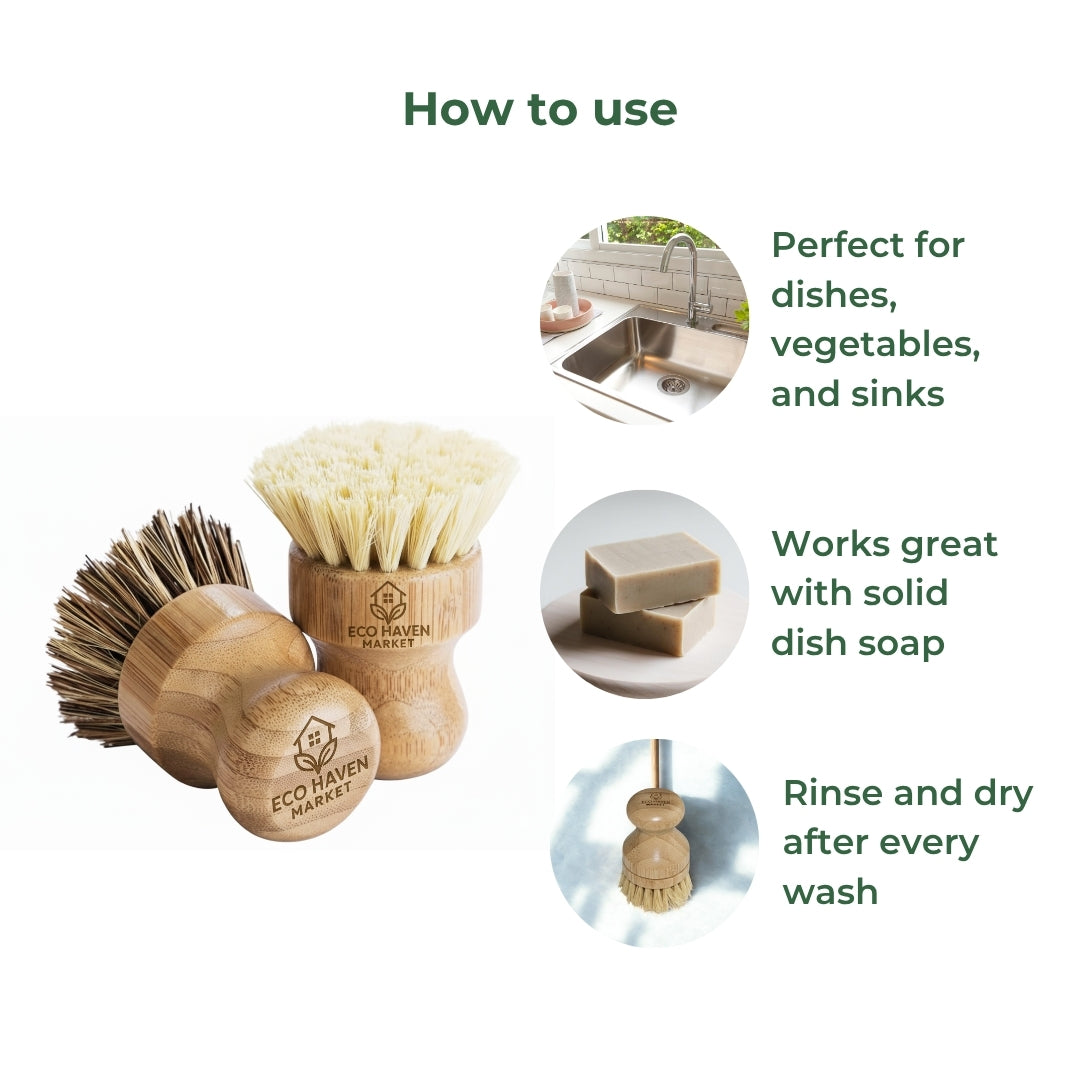
A bamboo dish brush with sisal bristles handles everyday dishwashing without adding visual noise:
https://www.ecohavenmarket.com/products/bamboo-dish-brush-with-sisal-bristles-zero-waste-cleaning
For cookware and heavier messes, a long handle bamboo pan brush replaces bulky scrubbers and keeps hands away from grease:
https://www.ecohavenmarket.com/products/long-handle-bamboo-scrub-brush-heavy-duty-cleaning-power
Limiting tools to purpose-driven pieces immediately reduces clutter.
Replace plastic bottles with one solid anchor
Liquid dish soap bottles dominate the sink visually. A solid bar removes that problem entirely.
A zero-waste solid dish soap bar cleans effectively without adding height, color clutter, or labels to the sink area:
https://www.ecohavenmarket.com/products/zero-waste-solid-dish-soap-bar-lemon-vegan
One bar replaces multiple bottles and creates a quieter visual base.
Give everything a place to dry
Drying is where design and function meet.
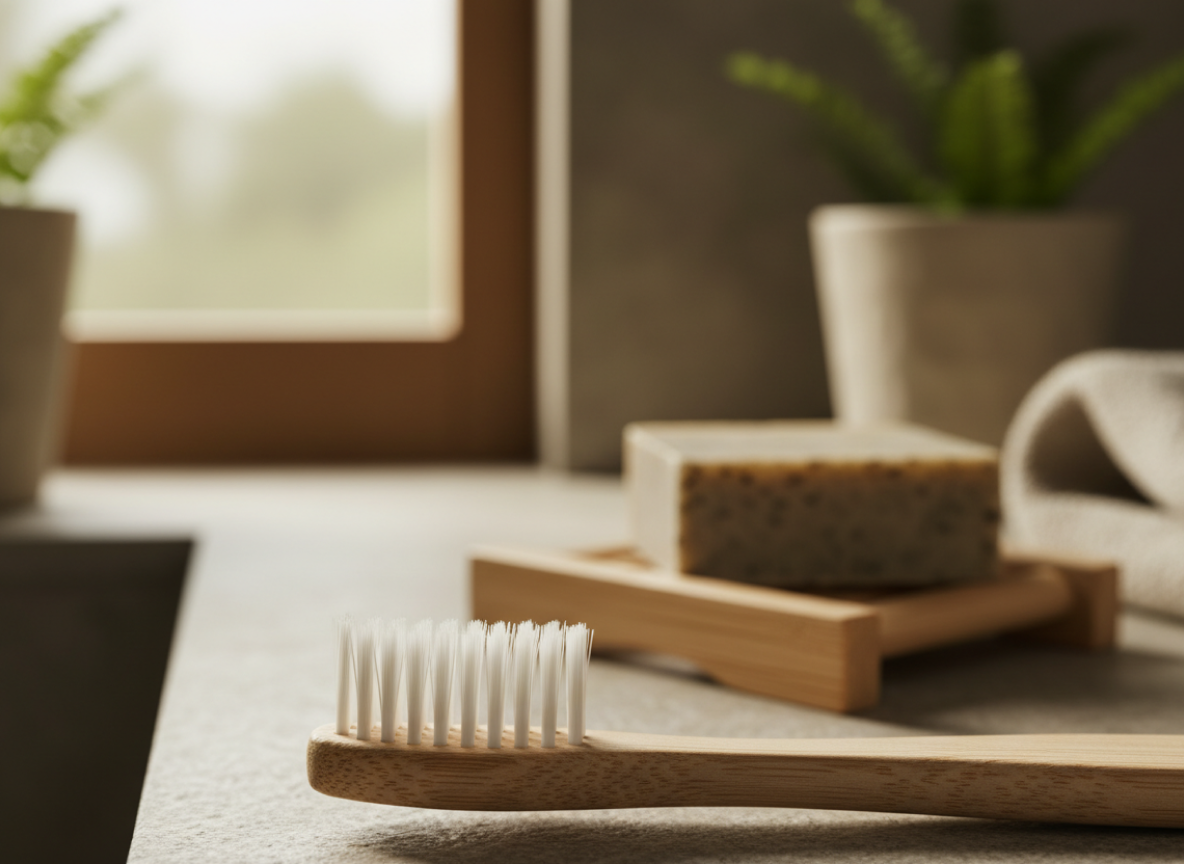
A bamboo soap dish keeps the soap bar elevated and prevents puddles that soften the bar and make the sink look messy:
https://www.ecohavenmarket.com/products/bamboo-soap-dish-extend-the-life-of-your-bar-soaps
When tools dry properly, they last longer and look better doing it.
Use texture instead of color for contrast
Bright sponges draw attention for the wrong reasons. Natural textures blend into the kitchen instead of fighting it.
Natural cellulose scrub sponges soften the look of the sink area while still handling daily cleaning:
https://www.ecohavenmarket.com/products/natural-cellulose-scrub-sponges-2-pack-plastic-free-cleaning-made-easy
Neutral materials create visual calm without sacrificing performance.
Think in zones, not piles
A good sink setup has zones:
-
One spot for soap
-
One spot for brushes
-
One spot for sponges
When tools are grouped intentionally, the sink looks styled even when it’s in use.
Avoid stacking. Avoid crowding. Let each item breathe.
Keep backups out of sight
Not everything needs to live at the sink.
A multipurpose kitchen cleaning brush is useful, but it doesn’t need to sit out all day:
https://www.ecohavenmarket.com/products/multipurpose-kitchen-cleaning-brush-all-natural
Rotate tools instead of displaying them all at once. This keeps the space clean and reduces constant dampness.
Why zero-waste sinks often look better over time
Plastic wears out visually. Labels peel. Bottles discolor. Sponges look tired quickly. Natural materials age more gracefully. Bamboo develops character. Soap bars shrink cleanly instead of looking half-used. The sink looks intentional even after months of use.
The real design shift
A good-looking zero-waste sink isn’t about decoration. It’s about restraint. Fewer items. Better placement. Materials that don’t demand attention. When each tool has a purpose and a place, the sink stops feeling like a dumping ground and starts feeling like part of the kitchen again.
Final takeaway
Designing a zero-waste sink that looks good doesn’t require perfection or constant tidying. It requires choosing tools that work hard without shouting for attention.
When function and aesthetics align, sustainability stops feeling like an effort and starts feeling natural.
That’s when the setup actually lasts.