The Best Way to Store Half-Cut Produce So It Stays Fresh for Days
Half-cut produce is one of the most common sources of food waste at home. A lemon wrapped loosely in plastic dries out. An avocado browns overnight. An onion absorbs fridge smells and ends up in the bin before it’s fully used.
The problem isn’t the produce. It’s how it’s stored.
Why plastic wrap fails with cut produce
Plastic wrap creates an airtight seal, but it also traps moisture and condensation. That combination speeds up spoilage for many fruits and vegetables rather than preventing it.
It also doesn’t adapt well to irregular shapes. Half a lemon, a cut cucumber, or a wedge of cabbage never quite fits, so air sneaks in anyway. The result is food that dries out, turns slimy, or absorbs odors.
Plastic wrap looks convenient, but it’s not designed for reuse or breathability.
What cut produce actually needs
Once produce is cut, it needs two things:
-
Protection from drying out
-
Enough airflow to prevent condensation
Too much air causes dehydration. Too little air causes moisture buildup. The best storage method balances both.
This is where flexible, breathable wrapping makes a noticeable difference.
Why beeswax wraps work better for half-cut produce
Beeswax wraps create a natural seal that protects food without trapping excess moisture. They soften with warmth, mold around cut surfaces, and hold their shape once cooled.
Because they’re breathable, they allow produce to stay fresh longer instead of sweating inside plastic.
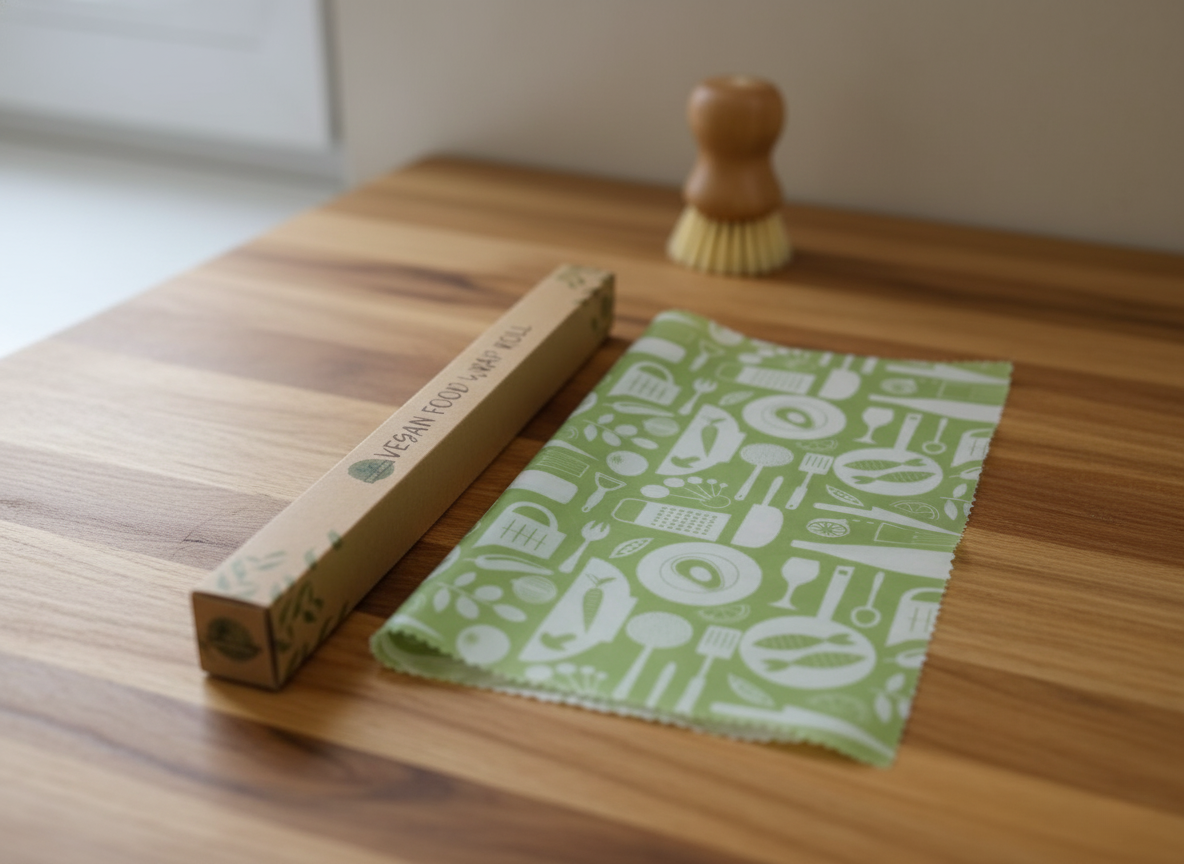
For irregular shapes or larger items, a beeswax food roll works especially well because you can cut it to size and wrap exactly what you need:
https://www.ecohavenmarket.com/products/beeswax-food-roll-plastic-free-customizable-cut-your-own-size
When to use sheets instead of rolls
Pre-cut beeswax wrap sheets are ideal for smaller items or everyday use. Half an avocado, a lemon, or a piece of cheese can be wrapped quickly without trimming anything.
A 3-pack beeswax wrap set gives you multiple sizes for common fridge needs:
https://www.ecohavenmarket.com/products/3-pack-beeswax-wrap
Using the right size reduces overhandling and helps the wrap seal better.
How to wrap different types of produce
Technique matters more than people expect.
For cut fruit like apples or avocados:
-
Press the wrap directly against the cut surface
-
Use the warmth of your hands to seal the edges
For vegetables like onions or cabbage:
-
Wrap snugly but don’t compress
-
Store in the crisper drawer for added humidity control
Pro tip for onions:
Beeswax wraps are surprisingly effective at containing odors. When wrapped tightly, the wax and resin create a natural barrier that helps prevent that sharp onion smell from transferring to other foods like milk or butter in the fridge.
For herbs:
-
Wrap loosely and store in the fridge
-
Avoid over-sealing to prevent wilting
The goal is protection, not compression.
What not to wrap
Beeswax wraps aren’t meant for everything. Avoid:
-
Raw meat or fish
-
Very hot food
-
Microwaving or high heat
They work best for produce, bread, cheese, and dry snacks.
Why this small change reduces food waste
When cut produce stays fresh longer, it actually gets used. That sounds obvious, but it’s the key reason this habit sticks.
Food waste often happens because leftovers feel “half-gone” once they start to look tired. Better storage keeps food looking and smelling usable, which makes finishing it easier.
Food storage is one of the simplest habit upgrades at home. If you’re curious how it fits into other everyday changes, this guide covers several low-effort swaps that add up:
https://www.ecohavenmarket.com/blogs/news/10-eco-friendly-goods-that-will-transform-your-daily-life
Why people don’t go back to plastic wrap
Once people start storing cut produce this way, plastic wrap starts to feel awkward and disposable. Beeswax wraps live in the fridge, get reused daily, and don’t need to be thrown away after one use.
That convenience is what makes the switch last.
Is this really the best way?
For most households, yes. It’s flexible, reusable, and better suited to real-world food shapes than rigid containers or plastic film.
If you regularly cut produce and want it to stay fresh without extra waste, how you wrap it matters more than you think.
Once that clicks, half-cut produce stops being a problem and starts lasting exactly as long as it should.