
How to Use a Conditioner Bar: A Step-by-Step Guide for Soft, Tangle-Free Hair
Conditioner bars often raise more questions than shampoo bars. People worry they won’t be moisturizing enough, won’t spread evenly, or will leave hair heavy or waxy. Those concerns usually come from not knowing how conditioner bars are meant to be used.
Once the technique clicks, conditioner bars become one of the easiest personal-care swaps to maintain.
What a conditioner bar actually does
A conditioner bar delivers concentrated conditioning ingredients directly to the hair without added water. Unlike liquid conditioner, which relies on dilution to spread easily, a bar works through controlled application and contact.
That concentration is why a small amount goes a long way and why results often improve once you stop over-applying.
A good example of a balanced, everyday bar is the Lavender + Rosemary Conditioner Bar, formulated to smooth, strengthen, and detangle without feeling heavy:
https://www.ecohavenmarket.com/products/lavender-rosemary-conditioner-bar-smooth-strengthen
Step 1: Start with very wet hair
Conditioner bars need water to glide properly. After shampooing, make sure your hair is fully saturated. If it feels only damp, add more water.
Water is what activates the bar and helps distribute the conditioner evenly.
Step 2: Apply the bar the right way
You have two effective options:
-
Rub the bar between your hands to create a light coating, then smooth it through your hair
-
Glide the bar directly over the mid-lengths and ends using gentle strokes
Focus on areas that tend to dry out or tangle. Conditioner bars are not meant for heavy application at the roots unless your hair specifically needs it.
Step 3: Use your fingers to distribute
Once the conditioner is applied, use your fingers to comb through your hair. This helps spread the product evenly and starts the detangling process.
If your hair feels like it needs more slip, add water before adding more product. Conditioner bars respond better to water than layering.
Step 4: Let it sit briefly
Conditioner bars benefit from a short pause. Let the conditioner sit for 30 seconds to a minute before rinsing. This allows the ingredients to soften and smooth the hair properly.
You don’t need a long wait. A brief pause is enough.
Step 5: Rinse thoroughly
Rinse until your hair feels smooth but not coated. Conditioner bars don’t create the same slippery residue as liquid conditioners, so rely on feel rather than foam.
Your hair should feel soft, not heavy.
What if your hair feels different at first?
Some people notice a short adjustment period when switching from liquid conditioner to a bar. This is usually due to previous buildup from silicones or styling products.
If this happens:
-
Use less product
-
Add more water during application
-
Give it a few washes before adjusting
Most people find that hair settles into a lighter, softer feel once buildup clears.
Storage matters more than you think
Conditioner bars last much longer when they’re allowed to dry fully between uses. Left sitting in water, they soften and wear down quickly.
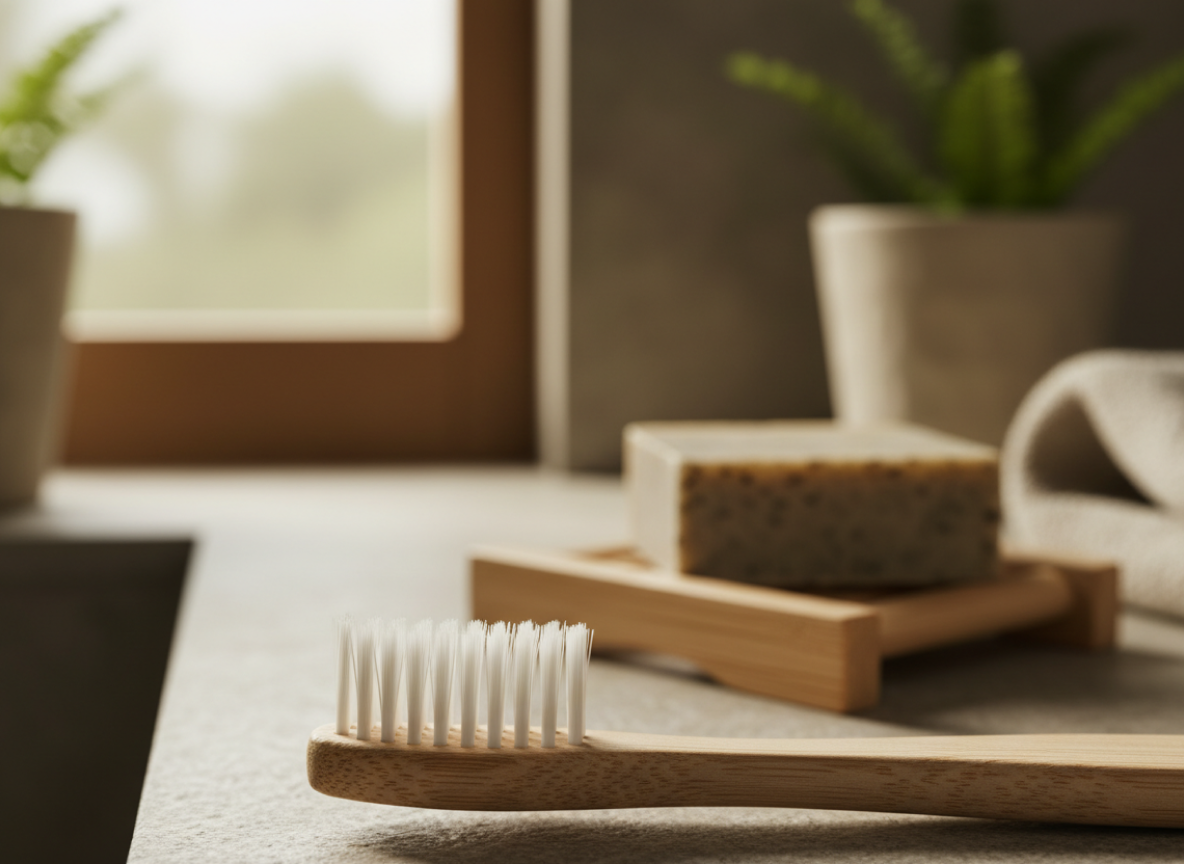
A raised surface that allows airflow, like a Bamboo Soap Dish, helps the bar dry properly and keeps it firm:
https://www.ecohavenmarket.com/products/bamboo-soap-dish-extend-the-life-of-your-bar-soaps
This small habit makes a noticeable difference in longevity.
Should you use a matching shampoo bar?
Conditioner bars work on their own, but some people prefer pairing them with a compatible shampoo bar for consistency. If you want a simple, matched routine, a Lavender + Rosemary Hair Care Duo offers both steps without extra products:
https://www.ecohavenmarket.com/products/lavender-rosemary-hair-care-duo-soothe-strengthen
This isn’t required, but it can make the transition smoother for first-time users.
Why conditioner bars tend to stick
Once people learn to use conditioner bars correctly, they tend to stick with them because:
-
They last longer than liquid conditioner
-
They reduce clutter and packaging
-
They deliver consistent results with less product
The key is using water and restraint instead of over-applying.
Are conditioner bars worth switching to?
If you want soft, manageable hair without constantly replacing bottles, conditioner bars are a practical option. They don’t require a new routine, just a slight adjustment in application.
Once that adjustment becomes habit, liquid conditioner often feels unnecessary by comparison.