How to Use a Bamboo Toothbrush Properly (And Make It Last Without Wasting It)
Switching to a bamboo toothbrush often feels simple. It looks familiar, works the same way, and doesn’t require a learning curve. What most people don’t realize is that treating it exactly like a plastic toothbrush can shorten its lifespan and reduce the benefits that made the switch appealing in the first place.
A bamboo toothbrush doesn’t need special treatment, but it does benefit from a little awareness. Used correctly, it can be just as comfortable and effective as a plastic one, while creating far less waste over time.
What a bamboo toothbrush actually is
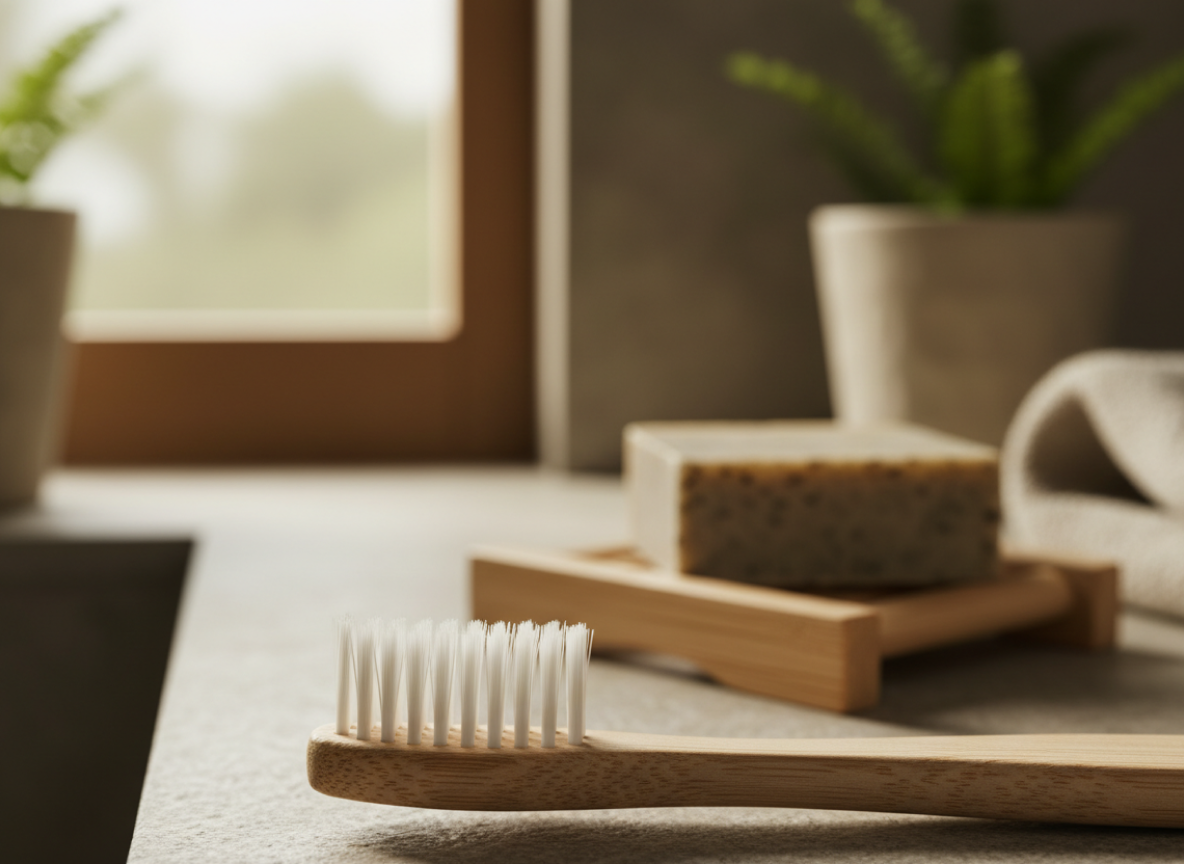
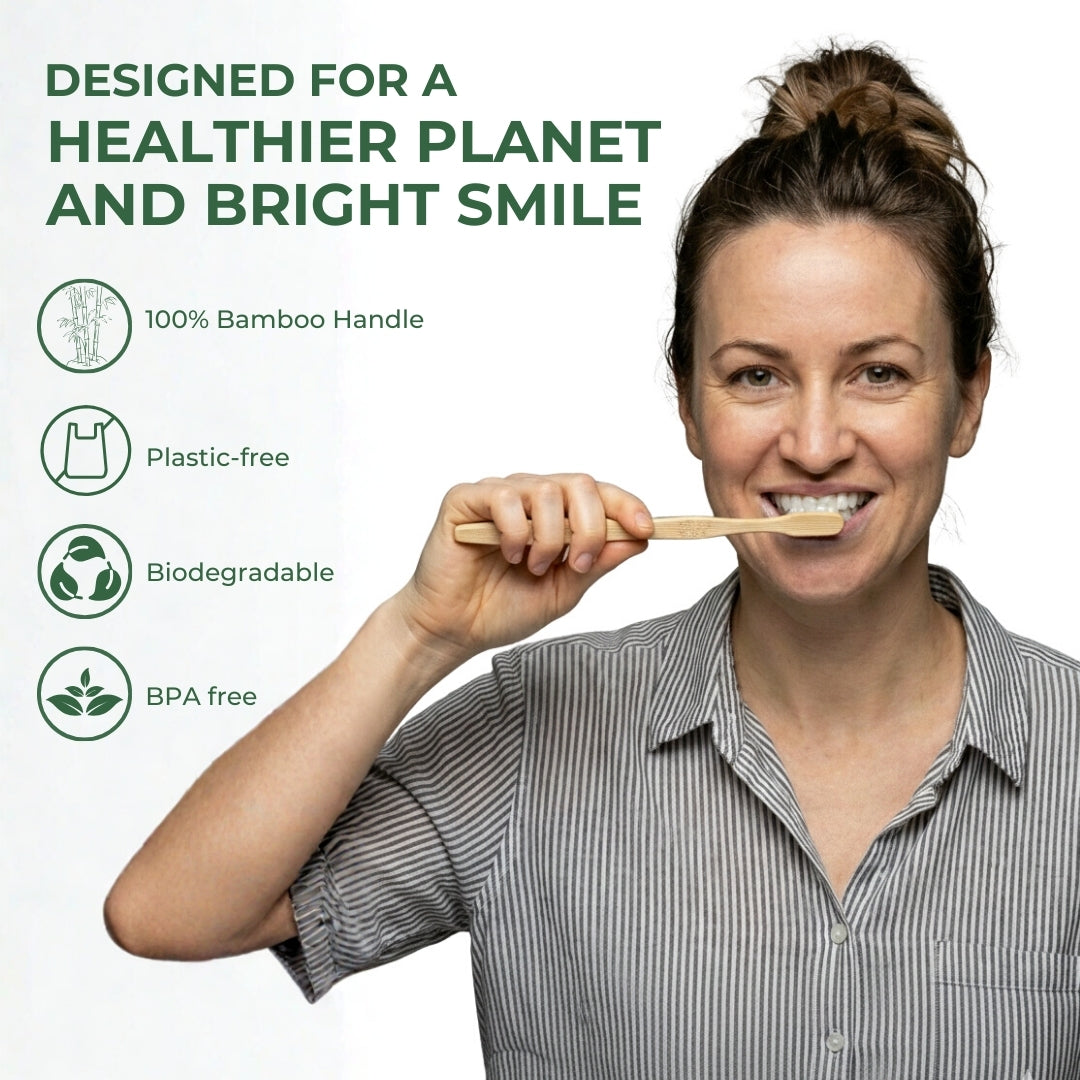
A bamboo toothbrush uses a bamboo handle instead of plastic. Bamboo is a fast-growing, renewable material that’s naturally durable and well-suited for bathroom environments. Most bamboo toothbrushes still use nylon bristles, as there isn’t yet a fully biodegradable option that performs reliably for daily brushing.
That mix of materials is important to understand, because it affects how the toothbrush is cared for and disposed of.
If you’re looking for a straightforward option, Eco Haven’s bamboo toothbrush is available here:
https://www.ecohavenmarket.com/products/bamboo-toothbrush-biodegradable-eco-friendly
Using a bamboo toothbrush day to day
Brushing technique doesn’t change when you switch to bamboo. You brush the same way you always have:
-
Twice a day
-
With gentle pressure
-
Using small circular motions
The difference starts after brushing. Bamboo is a natural material, and how it’s stored between uses plays a big role in how long it lasts.
How to store a bamboo toothbrush so it lasts
The most common reason bamboo toothbrushes wear out early is prolonged moisture.
To help yours last:
-
Store it upright in a well-ventilated holder
-
Let it dry completely between uses
-
Avoid leaving it in standing water or inside closed containers
Keeping the handle dry prevents cracking, softening, and mold, and extends its usable life.
Cleaning and everyday care
After brushing, rinse the bristles thoroughly with cool or lukewarm water. Hot water won’t ruin the brush immediately, but repeated exposure can dry out the bamboo over time.
Avoid:
-
Soaking the handle
-
Running it through a dishwasher
-
Leaving it flat on wet surfaces
Treating the handle more like wood than plastic makes a noticeable difference.
When it’s time to replace your toothbrush
Dentists recommend replacing a toothbrush every two to three months, regardless of material. That guidance applies to bamboo toothbrushes as well.
Signs it’s time to replace:
-
Bristles are frayed or splayed
-
The handle shows cracks
-
There’s visible wear that affects comfort or hygiene
The performance of the bristles is always the deciding factor, not just the appearance of the handle.
What happens at the end of its life
Once the toothbrush is ready to be replaced, the bamboo handle can be composted after the bristles are removed. The bristles themselves are typically nylon and should be discarded unless you have access to a program that accepts them.
To remove the bristles, use a pair of pliers to pull them out, or snap the head off the brush before composting the handle.
Even with this small step, a bamboo toothbrush creates significantly less plastic waste over its lifetime than a conventional plastic handle toothbrush.
How a bamboo toothbrush fits into low-waste habits
A bamboo toothbrush is one of those swaps that works quietly in the background. It doesn’t change how you brush your teeth, but it does reduce the amount of plastic you throw away over time.
People who adopt it often start noticing other small, repeatable areas where waste adds up. If you’re curious about similar everyday swaps, this article covers several practical options:
https://www.ecohavenmarket.com/blogs/news/10-eco-friendly-goods-that-will-transform-your-daily-life
Low-waste habits tend to stick when they’re simple and familiar. A bamboo toothbrush fits that pattern well.