
Dish Soap Bars vs. Liquid: Can a Solid Bar Really Clean Your Greasiest Pans?
Liquid dish soap has trained us to expect thick suds, strong fragrance, and a plastic bottle by the sink. So when people see a solid dish soap bar, the first reaction is usually skepticism.
Can a bar really cut grease the same way liquid soap does?
Short answer: yes. Long answer: it works differently, and understanding that difference matters.
Why liquid dish soap feels more powerful
Liquid dish soap feels strong because it spreads instantly and foams easily. That foam creates the impression that grease is being lifted quickly.
But most liquid dish soaps are largely water. The cleaning agents are diluted so they can pour smoothly and stay shelf-stable in plastic bottles.
The performance comes from repeated dosing, not concentration.
What a dish soap bar actually is
A solid dish soap bar is dish soap without the added water. The surfactants that break down grease are compressed into a solid form, which means you’re applying them directly where the grease is instead of diluting them first.
A good example is Eco Haven’s Zero-Waste Solid Dish Soap Bar, which delivers grease-cutting power without the bottle: https://www.ecohavenmarket.com/products/zero-waste-solid-dish-soap-bar-lemon-vegan
This concentration is why bars last longer than most people expect.
How grease is actually removed
Grease isn’t removed by bubbles alone. It’s removed when surfactants surround oil molecules and lift them off the surface.
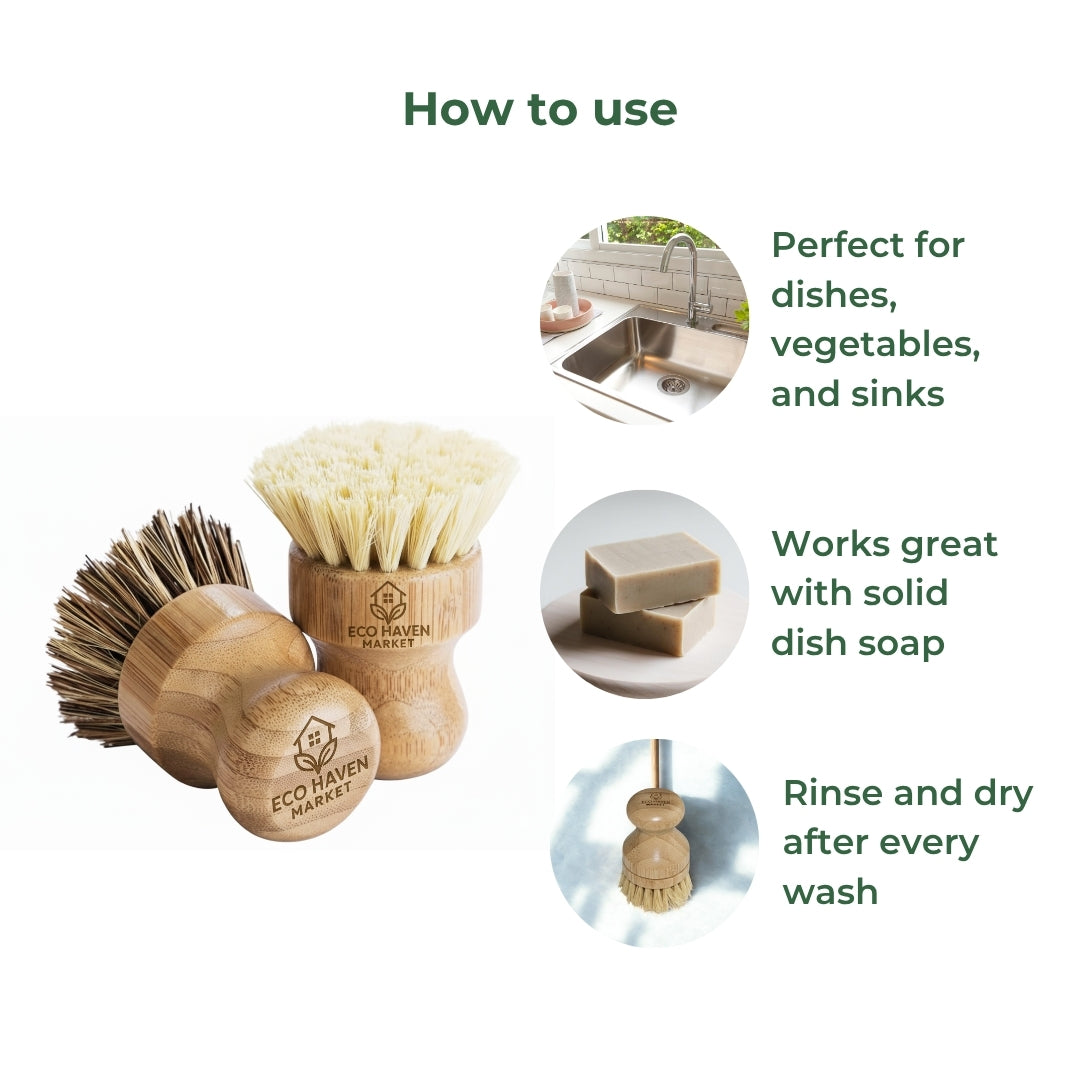
With a dish soap bar, you load the soap onto a sponge or brush and apply it directly to the greasy area. There’s no need to flood the pan with soap. You control exactly how much you use.
When pans are really dirty
This is where people assume liquid soap wins. Burnt-on residue, oily cookware, and stuck food feel like they need “more soap.”
In practice, what they need is friction.
Pairing a dish soap bar with the right tool makes the difference. Natural Cellulose Scrub Sponges hold soap well and provide enough texture to lift grease without scratching cookware: https://www.ecohavenmarket.com/products/natural-cellulose-scrub-sponges-2-pack-plastic-free-cleaning-made-easy
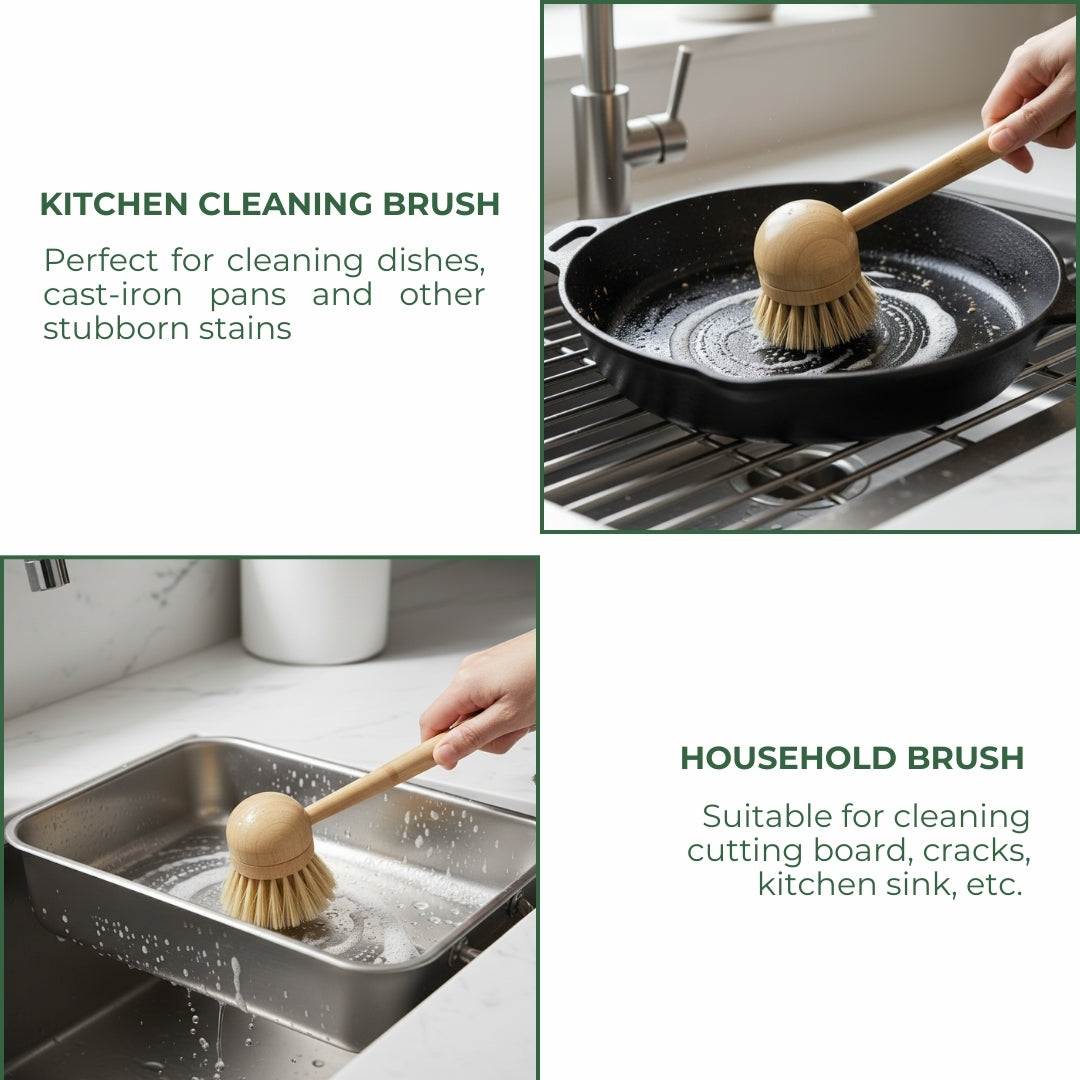
For heavier jobs like pans and baking trays, a long handle bamboo pan brush gives leverage and pressure without relying on excess soap:
https://www.ecohavenmarket.com/products/long-handle-bamboo-scrub-brush-heavy-duty-cleaning-power
Soap does the chemical work. The tool does the physical work.
Pro-Tip for Greasy Pans
For heavy grease, don’t rinse the pan with water first. Rub your damp brush directly on the dish soap bar and apply it to the dry, greasy surface. Let it sit for about 30 seconds so the soap can bond with the oils, then add a little water and scrub. The results are often faster and more effective than liquid soap.
Where dish soap bars outperform liquid
Dish soap bars shine in a few key areas:
-
They last longer because there’s no water dilution
-
You use less product per wash
-
There’s no plastic bottle to replace
-
They don’t spill or leak
Many people find they stop overusing soap once they switch to a bar.
Where liquid soap still has an edge
Liquid soap can feel more convenient for quick rinses or very large sinks where soap needs to spread instantly. It’s also familiar, which lowers the learning curve.
That said, convenience is often habit, not necessity. Most people adjust to a bar within a few washes.
Storage and longevity matter
Like any solid product, dish soap bars last longer when they’re allowed to dry between uses. Sitting in pooled water softens the bar and shortens its life.
Keeping the bar dry is a simple habit that makes a noticeable difference.
Is switching actually worth it?
If you wash dishes daily, the switch is usually worth it. Dish soap bars reduce waste, take up less space, and clean just as effectively when paired with the right tools.
The key shift is mindset. Instead of pouring soap and hoping it works, you apply soap intentionally and let technique do the rest.
The real verdict
Dish soap bars don’t clean differently because they’re eco-friendly. They clean differently because they’re concentrated.
Once you understand how they work and adjust your approach slightly, the question stops being “can a solid bar really clean greasy pans?”
It becomes “why was I paying for all that water in the bottle in the first place?”